In every market cycle, trends come and go. Interest rates fluctuate. Design styles evolve. Technology reshapes how we search for homes. But one principle has remained consistent for generations: location still matters more than ever in real estate.
Even in today’s digital-first world, where remote work is common and virtual tours are standard, the importance of location has not diminished. In fact, it has become more nuanced and more valuable. Buyers are thinking beyond square footage and finishes. They’re evaluating lifestyle, long-term value, resilience, and community in deeper ways than ever before.
For homeowners, buyers, and sellers alike, understanding why location still matters more than ever in real estate is essential for making smart, strategic decisions.
The Foundation of Property Value
The phrase “location, location, location” isn’t just a cliché. It reflects a core economic truth: you can change a house, but you cannot change its location.
Upgrades can improve a property’s condition. Renovations can modernize a floor plan. Landscaping can enhance curb appeal. But proximity to employment centers, schools, parks, and cultural hubs is permanent, and that permanence directly affects demand.
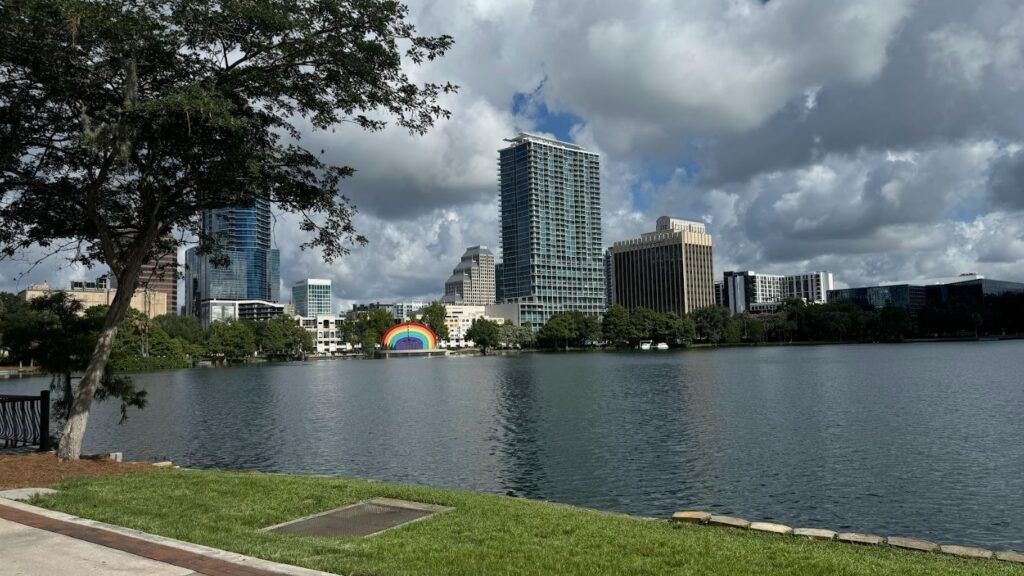
In Florida cities like Orlando, proximity to Downtown, major highways, and lifestyle amenities can significantly impact pricing. Homes near vibrant districts such as Lake Eola Park often command premium prices because buyers value walkability, scenery, and access to dining and events.
When demand concentrates in desirable areas, values remain stronger, even during market slowdowns. That’s why location continues to anchor long-term appreciation.
Lifestyle-Driven Buying Decisions
Today’s buyers are not just purchasing property, they’re investing in a way of life.
Walkability, access to local restaurants, nearby fitness studios, community parks, and neighborhood character all shape buyer perception. The rise of lifestyle-focused districts, including areas like Winter Park and College Park, reflects this shift. These communities offer tree-lined streets, local boutiques, and a strong sense of identity; qualities that resonate deeply with modern buyers.
Even with remote work expanding flexibility, people still prioritize:
- Shorter commutes (even if only a few days per week)
- Proximity to airports
- Access to healthcare
- Outdoor recreation
- Dining and cultural options
In other words, flexibility hasn’t made location irrelevant, it has made quality of location more important.
Remote Work Didn’t Eliminate Location, It Redefined It
One of the biggest misconceptions in recent years has been that remote work would make location obsolete. Instead, it changed what buyers look for in a location.
Buyers now evaluate:
- Internet reliability and infrastructure
- Access to coworking spaces
- Proximity to regional airports
- Community amenities within walking or biking distance
Some moved farther from dense urban cores in search of space, but they still prioritized strong communities and convenient access to services. Even suburban growth has clustered around established commercial corridors and high-performing school districts.
Location still determines access, to opportunity, to convenience, and to lifestyle.
School Districts and Long-Term Demand
Even buyers without children often prioritize strong school zones because they understand resale value.
Highly rated schools create stable demand. Neighborhoods tied to respected districts typically experience:
- More consistent appreciation
- Faster resale timelines
- Greater buyer competition
In Florida markets, school boundaries can influence price per square foot significantly. Buyers understand that education quality is closely linked to community stability, and that stability reinforces long-term property value.
Infrastructure and Accessibility
Access to transportation corridors remains one of the most powerful drivers of real estate value.
Proximity to major roadways such as Interstate 4 can dramatically affect both convenience and pricing in Central Florida. Easy access to highways reduces commute times and increases desirability for professionals working throughout the metro area.
Similarly, access to air travel plays a major role in property demand. Homes within a reasonable distance of Orlando International Airport attract frequent travelers, business professionals, and second-home buyers.
Infrastructure projects, whether new highways, rail systems, or redevelopment initiatives, can elevate entire neighborhoods. Savvy buyers often look ahead to planned improvements, understanding that location is tied not just to present conditions but to future growth.
Economic Anchors and Employment Hubs
Real estate markets thrive near stable employment centers. Hospitals, universities, technology hubs, and tourism centers create consistent housing demand.
In Central Florida, the presence of major employers, including theme parks like Walt Disney World Resort—provides economic stability to surrounding communities. Similarly, medical districts and higher education institutions help sustain rental and resale demand.
When evaluating location, buyers and investors often ask:
- What industries support this area?
- Is job growth steady?
- Are new employers relocating here?
Strong economic anchors reinforce the long term value of real estate in a given location.
Climate Resilience and Environmental Considerations
In Florida especially, location now includes environmental awareness.
Flood zones, elevation, stormwater infrastructure, and proximity to coastlines influence insurance costs and buyer confidence. Two homes with identical finishes can vary significantly in value based solely on flood zone designation.
As insurance premiums rise, buyers are becoming increasingly strategic about location. They review FEMA maps, assess drainage systems, and consider hurricane preparedness measures before purchasing.
In this way, location isn’t just about convenience, it’s about long-term sustainability and cost predictability.
Community Identity and Social Fabric
Neighborhoods with strong identities tend to hold value.
Historic districts, lakefront communities, and established residential pockets often attract buyers who value character and architectural consistency. In Downtown Orlando, areas surrounding Lake Cherokee offer historic charm paired with proximity to urban amenities, an appealing combination for many buyers.
Community events, local traditions, and engaged neighborhood associations also contribute to perceived value. Buyers are drawn to areas where people feel connected and invested.
A home may meet practical needs, but a neighborhood provides belonging. That emotional component reinforces demand.
Supply Constraints and Scarcity
Desirable locations are often geographically limited.
Waterfront property, for example, cannot be replicated. Downtown districts have finite space. Established historic neighborhoods cannot expand indefinitely.
Scarcity creates competition, and competition supports price stability. Even when broader market conditions shift, high demand locations typically experience smaller corrections and quicker recoveries.
For sellers, this means that homes in prime locations often retain negotiating power. For buyers, it means acting decisively when the right opportunity arises.
Appreciation and Long-Term Wealth Building
Over time, real estate wealth is largely built on land value appreciation, not just improvements.
Structures depreciate. Land in desirable areas tends to appreciate.
When analyzing why location still matters more than ever in real estate, this principle remains central. Buyers who choose well located properties often benefit from:
- Stronger appreciation trends
- Easier resale
- Higher rental demand
- Greater equity growth
While market timing matters, location selection often matters more for long-term outcomes.
The Impact of Walkability and Mixed-Use Development
Modern urban planning increasingly emphasizes mixed-use development, residential, retail, and entertainment within close proximity.
Walkable districts often command price premiums because they offer convenience and reduce reliance on vehicles. Access to grocery stores, coffee shops, and fitness studios within walking distance enhances daily quality of life.
In growing Florida cities, revitalized downtown cores and pedestrian-friendly neighborhoods continue to attract buyers seeking both energy and accessibility.
Walkability is no longer a luxury, it’s a measurable value driver.
Safety and Stability
Perceived and actual safety significantly impact buyer decisions. Crime rates, street lighting, traffic patterns, and neighborhood upkeep all shape buyer perception.
Stable neighborhoods with consistent property maintenance and active community involvement tend to outperform areas experiencing volatility.
Location influences peace of mind, and peace of mind influences price.
Technology and Smart Growth
While technology has transformed how buyers search for homes, it has also amplified the importance of location transparency.
Buyers can now instantly research:
- Crime statistics
- School ratings
- Commute times
- Nearby amenities
- Zoning regulations
- Future development plans
With more information available than ever, buyers make increasingly strategic location-based decisions. This transparency reinforces the value of well-positioned properties.
Investment Perspective: Why Location Protects Downside Risk
For investors, location acts as a risk buffer.
Rental demand remains strongest in areas near employment hubs, universities, and lifestyle amenities. Vacancy rates are typically lower in desirable neighborhoods, and rent growth tends to be more consistent.
During economic downturns, secondary or less desirable locations may experience sharper price corrections. Prime areas often demonstrate greater resilience.
In other words, location can protect both upside potential and downside risk.
What Buyers Should Consider When Evaluating Location
For buyers navigating today’s market, evaluating location strategically involves asking the right questions:
- How close is the property to employment centers?
- What is the school district reputation?
- Are there planned infrastructure improvements?
- Is the area experiencing population growth?
- What are the flood zone and insurance implications?
- How walkable is the neighborhood?
- What amenities are within a 10-minute radius?
- Does the community have a strong identity?
Thinking long-term helps buyers align location choice with future goals.
Why Location Still Matters More Than Ever in Real Estate
Ultimately, market conditions will always evolve. Mortgage rates may rise or fall. Inventory levels will fluctuate. Buyer preferences will shift.
But location remains the one constant that influences:
- Property value
- Appreciation potential
- Resale timeline
- Rental demand
- Insurance costs
- Lifestyle satisfaction
In today’s environment, where data is abundant, mobility is flexible, and buyers are more informed, location has not diminished in importance. It has become more layered and more strategic.
For homeowners in Florida and beyond, choosing the right location is not simply about today’s convenience. It is about long-term stability, equity growth, and lifestyle alignment. Because no matter how much the market changes, one truth endures: you can remodel a home, but you can’t relocate it.