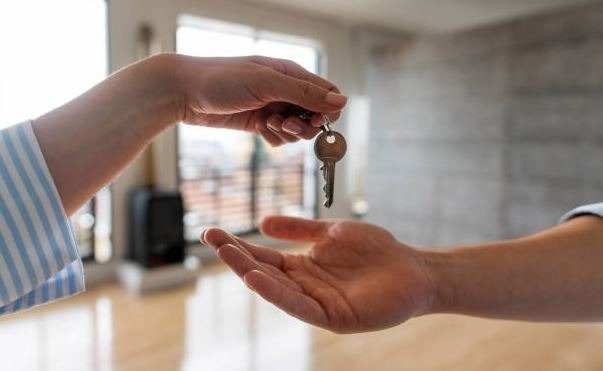
Buying a home is one of the most significant financial and emotional decisions a person will make. While price, location, and square footage matter, today’s buyers are increasingly driven by psychological factors that shape how they search, evaluate, and ultimately commit to a home. Understanding the psychology of homebuying offers valuable insight into why buyers behave the way they do and how the real estate market continues to evolve in response.
In a competitive and information rich environment, buyers are not just purchasing property; they are buying security, identity, lifestyle, and future potential. This article explores the key psychological motivators influencing today’s homebuyers and how these motivations are reshaping residential real estate.
Homebuying as an Emotional Decision
Although homebuying is often framed as a rational financial transaction, emotions play a powerful role throughout the process. Buyers may begin with budgets and spreadsheets, but decisions are frequently finalized based on how a home feels.
A sense of comfort, belonging, and emotional resonance often outweighs purely logical considerations. Buyers imagine future milestones like family gatherings, quiet mornings, or long term stability; and these imagined experiences strongly influence decision making. Even highly analytical buyers are not immune to emotional attachment once they step inside a home that aligns with their vision of the future.
This emotional component explains why buyers may stretch budgets, compromise on certain features, or move quickly when a property “feels right.”
The Desire for Stability and Security
One of the strongest psychological drivers behind homeownership is the desire for stability. In an era marked by economic uncertainty, shifting job markets, and rising living costs, owning a home represents control and predictability.
For many buyers, especially first time homeowners, purchasing a home symbolizes:
- Financial independence
- Long term security
- Protection from rising rents
- A sense of permanence
According to housing insights frequently cited by organizations like National Association of Realtors, buyers consistently rank stability and long term investment potential among their top motivations. This psychological need for security often drives buyers toward neighborhoods with strong school systems, low turnover, and consistent property values; even if those areas come at a premium.
Lifestyle Aspirations and Identity
Modern buyers are increasingly motivated by lifestyle alignment rather than just physical features. A home is seen as an extension of personal identity, values, and daily habits.
For example:
- Urban buyers may prioritize walkability, proximity to dining, and cultural amenities
- Suburban buyers may seek space, privacy, and family oriented environments
- Remote workers may value home offices, flexible layouts, and outdoor living
This shift reflects a deeper psychological motivation: buyers want their home to support who they are or who they aspire to be. The rise of lifestyle driven searches has been widely documented by platforms such as Zillow, where filters for commute time, neighborhood vibe, and home functionality play an increasingly central role.
The Impact of Social Proof and Comparison
Today’s buyers are more informed than ever, but access to constant information also introduces new psychological pressures. Online listings, social media, and market data encourage comparison, which can heighten anxiety and fear of missing out (FOMO).
Buyers may feel compelled to act quickly when they see:
- Multiple offers on a property
- Homes selling above asking price
- Limited inventory in desired areas
Social proof; seeing others compete for or purchase similar homes can validate a buyer’s interest but also lead to rushed decisions. This is especially common in competitive markets, where scarcity intensifies emotional responses and reduces patience.
Understanding this dynamic helps explain why buyers sometimes move forward despite reservations, trusting the collective behavior of the market as reassurance.
Fear, Risk Aversion, and Loss Avoidance
Psychology research shows that people are more motivated to avoid loss than to achieve gains, and homebuying is no exception. Buyers often fear:
- Overpaying
- Buying at the “wrong” time
- Unexpected maintenance costs
- Market downturns
This loss averse mindset can lead to hesitation, prolonged searches, or decision paralysis. Even well qualified buyers may delay purchases while waiting for perceived “perfect” conditions.
At the same time, fear can also motivate action. Concerns about rising interest rates, limited inventory, or being priced out of certain neighborhoods can push buyers to commit sooner than planned. The tension between caution and urgency is a defining psychological feature of today’s homebuying environment.
The Influence of Past Experiences
A buyer’s previous housing experiences—positive or negative—strongly influence their current preferences. Renters frustrated by annual rent increases may be motivated by the desire for control, while past homeowners who experienced costly repairs may prioritize newer construction or move in ready properties.
Emotional memory plays a role as well. Buyers often seek homes that remind them of:
- Childhood neighborhoods
- A previous home they loved
- A sense of nostalgia or familiarity
These subconscious associations can shape preferences for architectural style, layout, or neighborhood character, even if buyers struggle to articulate why a particular home resonates with them.
Changing Priorities Across Generations
Different generations approach homebuying with distinct psychological motivations shaped by economic conditions and cultural shifts.
- Millennials often value flexibility, affordability, and lifestyle integration, balancing homeownership with career mobility
- Gen Z buyers, now entering the market, tend to be highly pragmatic, prioritizing financial literacy, long term value, and digital transparency
- Baby Boomers and empty nesters may focus on downsizing, simplicity, and proximity to amenities or family
Despite these differences, all generations share a desire for emotional satisfaction and future security. Understanding generational psychology helps explain why certain features, such as home offices, low maintenance living, or community amenities have become increasingly influential.
The Role of Visualization and Imagination
Buyers don’t just evaluate a home as it exists, they mentally project themselves into it. This visualization process is a powerful psychological tool that can either strengthen or weaken interest.
When buyers can easily imagine:
- Furniture placement
- Daily routines
- Hosting guests
- Long-term use of the space
they are more likely to form an emotional attachment. Homes that feel adaptable and functional tend to perform better because they allow buyers to envision multiple future scenarios, reinforcing confidence in the decision.
Trust, Confidence, and Decision Comfort
Ultimately, buyers are motivated by the desire to feel confident and comfortable with their decision. A home purchase carries long term consequences, and buyers seek reassurance at every stage.
Clear information, transparency, and predictability help reduce anxiety and support decision making. Buyers who feel informed and prepared are more likely to move forward without regret, even in uncertain markets.
This psychological need for clarity explains why buyers often gravitate toward properties that feel “safe” whether due to condition, location, or long term resale potential.
Why Buyer Psychology Matters in Today’s Market
Understanding the psychology of homebuying offers valuable insight into broader market trends. It explains why certain neighborhoods remain in high demand, why move-in ready homes often outperform fixer uppers, and why emotional factors continue to influence pricing and competition.
Today’s buyers are navigating a complex landscape shaped by financial realities, personal aspirations, and emotional considerations. Recognizing these motivations helps demystify buyer behavior and highlights the deeply human side of real estate.
Final Thoughts
The psychology of homebuying reveals that purchasing a home is far more than a transactional decision. It is driven by emotion, identity, security, and future planning. Today’s buyers are motivated by a desire for stability, lifestyle alignment, and confidence in an uncertain world.
As the housing market continues to evolve, understanding what motivates buyers on a psychological level remains essential. Homes that meet emotional needs as well as practical requirements will continue to stand out, proving that real estate is as much about people as it is about property.