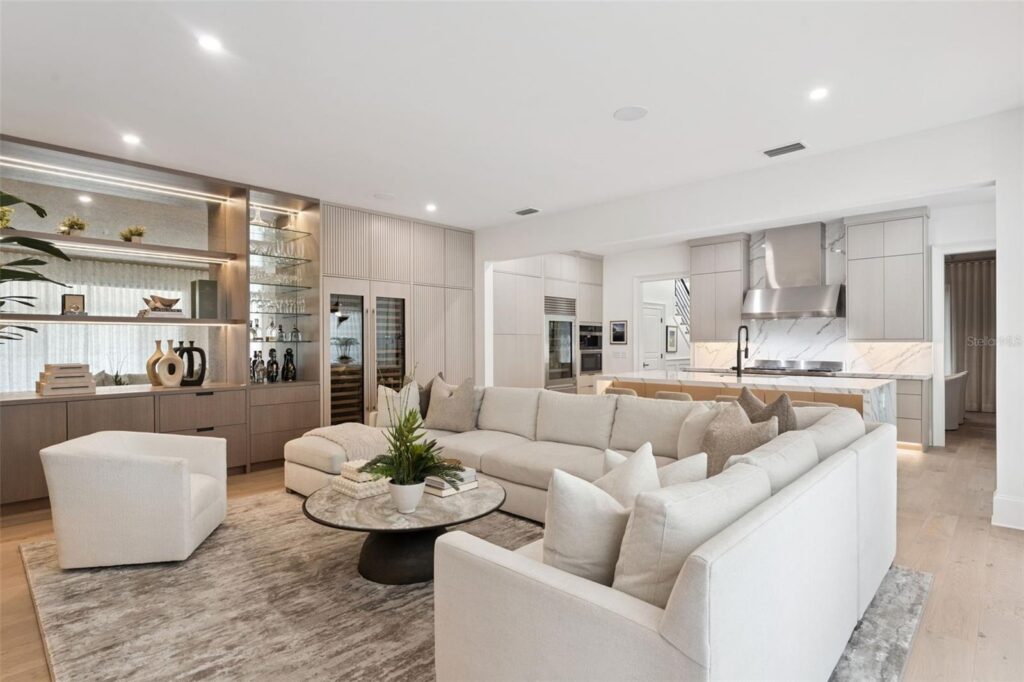
In today’s highly visual and digitally driven real estate market, first impressions are no longer made at the front door, they’re made online. With the majority of homebuyers beginning their search on the internet, the quality of a property’s listing photos can significantly influence how quickly it sells. Professional photography has evolved from a luxury marketing tool into an essential component of any successful real estate strategy.
From capturing a home’s best features to creating an emotional connection with potential buyers, professional photography plays a critical role in attracting interest, increasing engagement, and ultimately helping homes sell faster and often for a higher price. Understanding the impact of high-quality visuals can help sellers and agents position a property more effectively in a competitive market.
First Impressions Happen Online
The home search process has shifted dramatically over the past decade. Buyers now scroll through dozens, sometimes hundreds, of listings before deciding which properties are worth visiting in person. In this environment, listing photos serve as the initial point of contact between a home and a prospective buyer.
High-quality, professionally shot images immediately stand out among listings filled with poorly lit, low-resolution, or cluttered photos. Sharp, well-composed visuals invite buyers to click, explore further, and imagine themselves in the space. In contrast, subpar images can cause a listing to be overlooked entirely, regardless of the home’s actual condition or value.
Simply put, if a listing doesn’t capture attention within seconds, buyers are likely to move on to the next option.
Creating an Emotional Connection
Buying a home is both a financial and emotional decision. While details like square footage, location, and price are important, buyers are ultimately drawn to properties that feel right. Professional photography helps create that emotional connection by showcasing a home in its best light, literally and figuratively.
Experienced real estate photographers understand how to highlight natural light, emphasize space, and capture angles that make rooms feel open and inviting. They also know how to stage shots to tell a story, guiding viewers from one space to another in a way that feels cohesive and intentional.
These visual cues allow buyers to envision their own lives unfolding within the home, which can significantly increase their level of interest and urgency.
Highlighting Key Features and Unique Selling Points
Every home has features that set it apart, whether it’s a renovated kitchen, a spacious backyard, architectural details, or a desirable layout. Professional photographers are skilled at identifying and emphasizing these elements to ensure they stand out in listing photos.
Rather than simply documenting a space, they curate images that showcase the property’s strongest attributes. Wide-angle lenses, proper lighting techniques, and thoughtful composition all contribute to making rooms appear more functional, spacious, and appealing.
This is especially important in competitive markets, where multiple listings may offer similar features. High-quality photography can be the deciding factor that makes one property more memorable than another.
Increasing Online Engagement
Listings with professional photography consistently generate more views, clicks, and inquiries than those without. Eye-catching images encourage buyers to spend more time exploring a listing, which increases the likelihood of scheduling a showing.
Increased engagement also benefits the listing’s visibility on real estate platforms. Many listing websites prioritize properties that receive higher interaction, meaning that well-photographed homes are more likely to appear in search results and gain additional exposure.
More visibility leads to more interest, and more interest often translates into faster offers.
Supporting Higher Perceived Value
Presentation plays a significant role in how buyers perceive value. A well-photographed home appears more polished, well-maintained, and move-in ready, even if the physical differences between properties are minimal.
Professional photography can elevate a home’s perceived quality, helping justify its asking price and reducing the likelihood of low offers. In some cases, it can even contribute to competitive bidding situations, particularly when multiple buyers are drawn to the same visually appealing listing.
This doesn’t mean photography replaces proper pricing or preparation, but it does enhance how those factors are communicated to potential buyers.
The Role of Lighting and Composition
Lighting is one of the most critical elements in real estate photography. Natural light can make a home feel warm, inviting, and spacious, while poor lighting can have the opposite effect, making rooms feel smaller or less appealing.
Professional photographers carefully schedule shoots to take advantage of optimal lighting conditions, often photographing interiors during the day and capturing exterior shots during the “golden hour” for a warm, welcoming glow.
Composition is equally important. Strategic angles, balanced framing, and attention to detail help create images that feel both natural and visually compelling. These techniques ensure that each room is presented in a way that maximizes its appeal without appearing distorted or misleading.
The Impact of Editing and Post-Production
Professional photography doesn’t end when the camera is put away. Post-production editing plays a vital role in refining images and ensuring consistency across a listing.
This process may include adjusting brightness and contrast, correcting color balance, straightening lines, and enhancing details. The goal is not to misrepresent the property, but to present it as accurately and attractively as possible.
High-quality editing ensures that photos look polished and cohesive, reinforcing the overall professionalism of the listing.
Beyond Photos: Additional Visual Marketing Tools
While standard listing photos are essential, many professional photographers offer additional services that can further enhance a property’s marketing appeal.
Aerial Photography and Drone Footage
Drone photography provides a unique perspective, showcasing the property’s location, lot size, and surrounding area. This is particularly valuable for homes with large lots, scenic views, or proximity to desirable amenities.
Video Tours
Video walkthroughs allow buyers to experience the flow of a home in a way that still images cannot fully capture. This is especially beneficial for out-of-town buyers who may rely heavily on virtual content.
3D Virtual Tours
Interactive 3D tours give buyers the ability to explore a property at their own pace, increasing engagement and helping them feel more confident about scheduling an in-person visit.
These tools work together to create a comprehensive visual experience that appeals to a wide range of buyers.
Standing Out in a Competitive Market
In markets with high inventory or slower buyer activity, differentiation becomes even more important. Professional photography gives listings a competitive edge by ensuring they present as polished, inviting, and worth exploring.
Even in strong seller’s markets, where demand is high, quality visuals can still influence how quickly a home sells and how many offers it receives. A well-marketed listing doesn’t just sell, it sells efficiently and with stronger negotiating leverage.
The Cost vs. Return on Investment
Some sellers may hesitate to invest in professional photography, viewing it as an optional expense. However, when compared to the potential benefits, faster sales, higher offers, and reduced time on market, the return on investment is often substantial.
Homes that linger on the market can experience price reductions, increased carrying costs, and decreased buyer interest over time. In contrast, a well-presented home can generate immediate attention and momentum, leading to a quicker and more favorable sale.
In this context, professional photography is not just a marketing tool, it’s a strategic investment in the overall success of the sale.
Preparing Your Home for a Professional Photo Shoot
To maximize the impact of professional photography, proper preparation is essential. Even the most skilled photographer can only work with what’s presented.
Here are a few key steps to ensure your home is photo-ready:
- Declutter and depersonalize: Remove excess items and personal belongings to create a clean, neutral space.
- Deep clean: Ensure all surfaces, floors, and windows are spotless.
- Enhance curb appeal: Mow the lawn, trim landscaping, and tidy the exterior.
- Stage key areas: Focus on living spaces, the kitchen, and the primary bedroom.
- Maximize lighting: Open curtains and replace any dim or mismatched bulbs.
These steps help create a strong foundation for photography, allowing the home’s best features to shine.
The Agent’s Role in Visual Marketing
Real estate agents play a crucial role in coordinating professional photography and ensuring the final images align with the overall marketing strategy. From selecting the right photographer to advising on staging and timing, agents help guide the process to achieve the best results.
They also determine how images are used across various platforms, including listing services, social media, email campaigns, and marketing materials. Consistent, high-quality visuals reinforce the property’s branding and attract a broader audience.
Final Thoughts
In a market where buyers form opinions within seconds, professional photography has become one of the most powerful tools in real estate marketing. It does more than simply showcase a property, it tells a story, creates an emotional connection, and positions a home for success.
By investing in high-quality visuals, sellers can increase their home’s visibility, attract more qualified buyers, and ultimately sell faster and more efficiently. In an increasingly competitive landscape, professional photography is no longer optional, it’s essential.
For homeowners preparing to sell, prioritizing presentation from the very beginning can make all the difference. And in many cases, it starts with the camera.