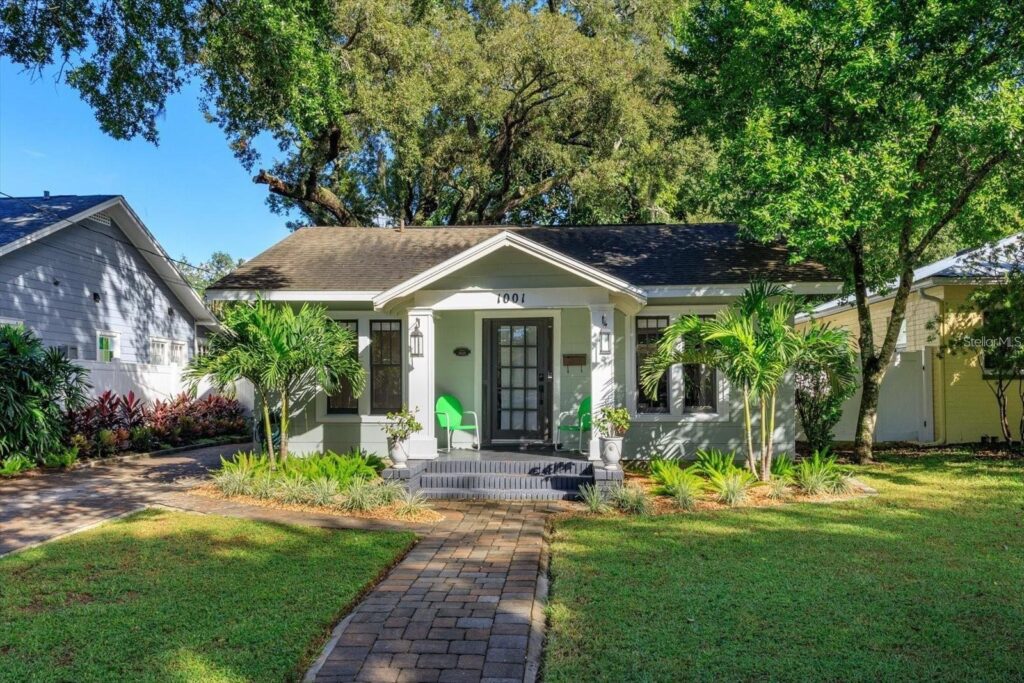
Owning a rental property can be a powerful long term investment, but sustained success doesn’t happen by accident. From attracting quality tenants to minimizing vacancies and controlling maintenance costs, long term performance is largely determined by how well a property is prepared from the start. Whether you’re a first time landlord or a seasoned property owner expanding your portfolio, thoughtful preparation is essential to protecting your investment and maximizing returns.
Preparing a rental property for long term success involves more than cosmetic upgrades. It requires strategic planning, proactive maintenance, legal compliance, and a clear understanding of tenant expectations. This article outlines the key steps property owners and managers should take to ensure a rental property remains competitive, profitable, and well maintained for years to come.
Why Preparation Matters in Long Term Rental Performance
A well prepared rental property sets the foundation for consistent income and reduced stress. Properties that are properly maintained and thoughtfully positioned tend to attract responsible tenants, experience fewer emergency repairs, and command stronger rental rates over time.
Conversely, inadequate preparation often leads to higher turnover, deferred maintenance, unexpected expenses, and strained landlord tenant relationships. Taking the time to prepare a property before it hits the rental market can significantly improve long term outcomes and preserve the property’s value.
Start With a Comprehensive Property Assessment
Before marketing a rental property, it’s critical to conduct a full evaluation of its current condition. This assessment should go beyond visible issues and include both structural and functional components.
Key areas to evaluate include:
- Roofing, foundation, and exterior siding
- Plumbing and electrical systems
- HVAC performance and age
- Windows, doors, and insulation
- Appliances and fixtures
- Flooring and wall condition
Identifying potential issues early allows owners to address them proactively rather than reactively. This approach helps avoid costly emergency repairs and reduces disruptions for future tenants.
Prioritize Durability Over Short Term Cost Savings
One of the most important principles in preparing a rental property for long term success is choosing materials and finishes designed to withstand repeated use. While it may be tempting to opt for the least expensive option, lower quality materials often result in higher replacement and maintenance costs over time.
Smart durability focused upgrades include:
- Luxury vinyl plank or tile flooring instead of carpet
- Semi gloss or washable interior paint
- Solid core doors in high traffic areas
- Quality plumbing fixtures with proven longevity
- Energy efficient appliances rated for frequent use
Durable finishes not only reduce long term expenses but also improve tenant satisfaction by maintaining a clean, functional appearance over time.
Ensure the Property Meets All Legal and Safety Requirements
Legal compliance is a non-negotiable aspect of rental property preparation. Laws and regulations vary by location, but landlords are generally responsible for providing a safe and habitable living environment.
Common compliance considerations include:
- Working smoke and carbon monoxide detectors
- Proper handrails and stair safety
- Secure locks on doors and windows
- Functional heating, cooling, and hot water
- Compliance with local building and zoning codes
Failure to meet these requirements can lead to fines, legal disputes, or forced repairs. Staying current with regulations protects both the owner and the tenant while supporting long-term stability.
Optimize the Property for Tenant Appeal
Long term success depends heavily on tenant retention. Properties that feel comfortable, functional, and modern are more likely to attract tenants who stay longer and take better care of the home.
Features that enhance tenant appeal include:
- Neutral, modern color palettes
- Adequate storage and closet space
- Functional lighting in all rooms
- Updated kitchens and bathrooms
- Thoughtful layouts that maximize usable space
While luxury upgrades aren’t always necessary, clean lines, cohesive design, and practical features make a strong impression and help a property stand out in competitive rental markets.
Address Energy Efficiency and Utility Costs
Energy efficiency plays a growing role in rental property performance. Tenants are increasingly aware of utility costs, and properties with lower energy consumption often enjoy higher demand.
Energy efficient improvements may include:
- LED lighting throughout the property
- Programmable or smart thermostats
- Weather stripping and insulation upgrades
- Energy-efficient windows or window treatments
- Water-saving plumbing fixtures
These improvements can lower operating costs, reduce wear on systems, and appeal to tenants looking for predictable monthly expenses.
Create a Preventative Maintenance Plan
Preparing a rental property for long term success doesn’t end once a tenant moves in. A preventative maintenance strategy is essential for preserving the property’s condition and avoiding costly repairs.
A strong maintenance plan should include:
- Routine HVAC servicing
- Annual plumbing and electrical inspections
- Regular roof and gutter checks
- Pest prevention measures
- Scheduled exterior upkeep
Preventative maintenance helps identify small issues before they become major problems, saving money and reducing tenant inconvenience over time.
Establish Clear Property Standards and Documentation
Clear documentation is a key component of long term rental success. Before leasing the property, owners should establish baseline standards and document the property’s condition.
Important documentation includes:
- A detailed move in inspection report
- Photos or videos of the property’s condition
- Maintenance schedules and records
- Appliance manuals and warranty information
These records protect both landlords and tenants, simplify maintenance planning, and help resolve disputes if they arise.
Plan for Long Term Financial Sustainability
Preparing a rental property also means planning for its financial future. Long term success requires budgeting not only for immediate repairs but also for future capital expenses.
Financial considerations include:
- Setting aside reserves for major system replacements
- Accounting for vacancy periods
- Planning for periodic updates or renovations
- Adjusting rental rates to reflect market conditions
A realistic financial plan ensures the property remains profitable without compromising maintenance or tenant experience.
Think Ahead About Marketability and Flexibility
Rental markets evolve over time, and properties that adapt tend to perform better in the long run. When preparing a rental property, it’s important to consider how it may need to change in the future.
Flexibility focused strategies include:
- Designing spaces that can serve multiple purposes
- Choosing timeless finishes over trendy designs
- Keeping layouts adaptable for different tenant demographics
- Maintaining curb appeal to support future leasing efforts
Properties that remain adaptable are better positioned to weather market shifts and changing tenant preferences.
The Role of Professional Management in Long-Term Success
For many owners, professional property management plays a critical role in maintaining long term performance. Experienced managers bring structure, consistency, and expertise to daily operations, from tenant screening to maintenance coordination.
While not required for every owner, professional oversight can help ensure that preparation efforts are maintained over time and that the property continues to perform as intended.
Final Thoughts: Building a Strong Foundation for the Future
Preparing a rental property for long term success is an investment in stability, profitability, and peace of mind. By focusing on durability, compliance, tenant appeal, and proactive maintenance, property owners can reduce risk while maximizing the property’s potential.
A well prepared rental property doesn’t just perform better in the short term; it holds its value, attracts reliable tenants, and adapts more easily to changing market conditions. With thoughtful planning and consistent care, rental properties can remain strong, dependable assets for years to come.