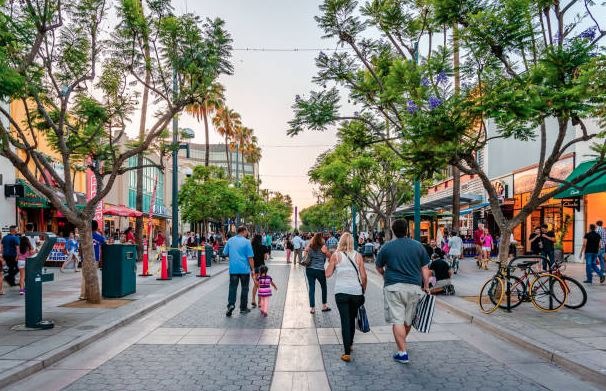
When people think about what makes a property valuable, location, square footage, condition, and amenities often come to mind first. But another factor can have a significant influence on how desirable a property is: walkability. As more buyers look for convenient, connected neighborhoods, the ability to walk to restaurants, shops, parks, schools, and other everyday destinations can become an important part of a property’s appeal.
Walkability is more than simply having sidewalks. It reflects how easily residents can accomplish everyday activities without getting into a car. Neighborhoods with connected streets, nearby amenities, pedestrian-friendly infrastructure, and access to public transportation can offer a lifestyle that appeals to a wide range of buyers.
For homeowners, investors, and sellers, understanding the relationship between walkability and property values can provide valuable insight when evaluating real estate opportunities.
What Is Walkability?
Walkability generally refers to how friendly an area is to pedestrians and how easily people can reach common destinations on foot. A walkable neighborhood typically has a combination of residential properties, businesses, parks, restaurants, schools, and other amenities located within a reasonable distance.
Several characteristics can contribute to walkability, including:
- Connected sidewalks and pedestrian pathways
- Shorter distances between homes and businesses
- Safe street crossings and intersections
- Nearby restaurants, shopping, and entertainment
- Parks and recreational spaces
- Access to public transportation
- A mix of residential and commercial properties
- Streets designed to accommodate pedestrians and bicycles
A neighborhood does not have to be located in a major city to be walkable. Many suburban communities and established neighborhoods have developed pedestrian-friendly areas that provide convenient access to local amenities.
In Central Florida, for example, neighborhoods near downtown districts, commercial corridors, parks, and community gathering spaces can offer a different lifestyle from more car-dependent suburban areas.
Why Buyers Value Walkable Neighborhoods
Convenience is one of the biggest reasons buyers are attracted to walkable communities. Being able to walk to a coffee shop, restaurant, grocery store, park, or local business can make everyday life easier.
For some buyers, walkability also represents a lifestyle preference. Instead of driving for every errand, residents can incorporate more walking into their daily routines while spending more time in their neighborhoods.
Walkable areas can also provide opportunities for social interaction. Sidewalks, parks, outdoor dining areas, and neighborhood businesses create places where residents can encounter one another and participate in community activities.
This combination of convenience, lifestyle, and community can make walkable properties particularly appealing to certain segments of the market.
How Walkability Can Affect Property Values
The relationship between walkability and property values can vary considerably from one market to another. However, desirable access to amenities can contribute to buyer demand, which can influence what buyers are willing to pay for properties in a particular area.
A home located within walking distance of popular restaurants, parks, shopping, entertainment, or employment centers may appeal to buyers who prioritize convenience. When several buyers place a premium on those characteristics, demand for properties in the area can increase.
Walkability can be especially meaningful when comparing otherwise similar properties.
Imagine two homes with similar square footage, construction quality, and features. One is located in a neighborhood where residents can walk to restaurants, a park, and local shops. The other requires driving for nearly every daily activity. For buyers who prioritize convenience, the first property may have an important advantage.
Of course, walkability is only one component of property value. School zones, property condition, lot size, taxes, insurance costs, interest rates, neighborhood reputation, and overall market conditions can all influence pricing.
Location Matters More Than Ever
The traditional real estate principle of “location, location, location” continues to be relevant when discussing walkability.
A walkable property is not necessarily valuable simply because it has sidewalks. What matters is what those sidewalks connect to.
A neighborhood where residents can walk safely to meaningful destinations is generally more useful than an area with sidewalks that do not connect to businesses, parks, schools, or other amenities.
This makes proximity particularly important.
Consider the difference between a home that is a five-minute walk from restaurants and entertainment and one that is a 30-minute walk from the same destinations. Both technically provide pedestrian access, but the experience can be very different.
For buyers evaluating a neighborhood, it is worth considering not only whether a property is walkable but what is actually within walking distance.
Walkability and Lifestyle Preferences
Today’s buyers have diverse priorities, and walkability can appeal to several different groups.
Young professionals may appreciate being close to restaurants, entertainment, employment centers, and public transportation. Families may value access to parks, schools, libraries, and community spaces. Empty nesters and retirees may appreciate having everyday conveniences nearby without relying on a vehicle for every trip.
Walkability can also appeal to buyers who simply enjoy an active neighborhood environment.
In areas with sidewalks, parks, restaurants, and gathering places, residents may have more opportunities to spend time outside and engage with their surroundings.
This can create a sense of place that is difficult to replicate in neighborhoods where destinations are spread far apart.
The Connection Between Walkability and Neighborhood Demand
Real estate values are influenced by supply and demand. When a particular neighborhood characteristic is desirable to a meaningful number of buyers, it can contribute to demand for properties that offer that characteristic.
Walkability can be one of those characteristics.
Established neighborhoods with mature trees, pedestrian-friendly streets, local businesses, and nearby amenities can offer something that newer developments may not easily duplicate: proximity.
Building a new home may be possible in many parts of Central Florida, but creating a fully established neighborhood with restaurants, parks, shops, sidewalks, and community amenities takes time.
This scarcity can make well-located properties particularly attractive.
Walkability Can Benefit More Than Homeowners
Walkability can also matter to real estate investors and property owners.
For rental properties, location is an important consideration for prospective tenants. Depending on the target market, renters may be willing to pay more for a property that offers convenient access to restaurants, employment centers, entertainment, public transportation, and other amenities.
For investors, this means walkability can be one factor worth considering when evaluating the long-term potential of a property.
However, investors should avoid relying on walkability alone. Rental demand, operating expenses, insurance, property taxes, maintenance requirements, local regulations, and neighborhood rental trends should all be considered before making an investment decision.
Walkability and Commercial Real Estate
The benefits of walkability extend beyond residential real estate.
Commercial properties can benefit when they are located in areas where people naturally walk between businesses and other destinations. Restaurants, coffee shops, boutiques, professional services, and entertainment venues may benefit from pedestrian traffic.
Mixed-use developments can be particularly interesting because they combine residential, retail, office, and entertainment uses within the same general area.
When people live, work, shop, and socialize in the same neighborhood, businesses may have greater opportunities to benefit from regular local traffic.
This is one reason walkable districts can become important destinations within larger metropolitan areas.
How to Evaluate Walkability When Buying a Home
If walkability is important to you, don’t rely solely on a property’s listing description. Take time to evaluate the neighborhood yourself.
Start by identifying the destinations that matter most to your lifestyle. Depending on your needs, that might include:
- Grocery stores
- Restaurants and coffee shops
- Parks and trails
- Schools
- Pharmacies
- Fitness centers
- Public transportation
- Entertainment
- Places of employment
Then consider the actual walking experience.
Are sidewalks continuous? Are intersections easy to cross? Is there adequate lighting? Are streets busy or difficult to navigate? Are destinations close enough to make walking practical?
It can also be helpful to visit the neighborhood at different times of day. A location that feels quiet on a weekend afternoon may have a very different atmosphere during weekday traffic.
Walkability in Central Florida
Central Florida has a wide variety of neighborhood types, from traditional urban districts to suburban communities and master-planned developments. As the region continues to grow, proximity to amenities and transportation options can remain important considerations for buyers and investors.
Neighborhoods throughout the Orlando area offer different levels of pedestrian connectivity. Established areas near downtown districts may provide easy access to restaurants, parks, shops, and entertainment, while newer communities may incorporate sidewalks, trails, neighborhood centers, and other amenities into their designs.
For buyers considering Central Florida real estate, understanding how a property’s location connects to surrounding amenities can provide useful context beyond the home’s physical features.
Does Walkability Guarantee Higher Property Values?
No. Walkability should be viewed as one factor among many rather than a guarantee of higher property values.
A highly walkable neighborhood can still experience market challenges, just as a car-dependent neighborhood can contain highly valuable properties.
Property values are influenced by numerous factors, including market conditions, inventory, employment trends, interest rates, property condition, taxes, insurance, schools, development, and buyer preferences.
Even within the same neighborhood, two properties can have substantially different values based on lot size, renovations, architectural characteristics, views, outdoor space, and other features.
Walkability is best understood as one component of a property’s overall location appeal.
Why Walkability May Remain an Important Real Estate Consideration
As communities evolve, buyers increasingly have more choices when deciding where and how they want to live. For some, having everything accessible by car is perfectly acceptable. For others, being able to walk to a favorite restaurant, park, coffee shop, or local business is a meaningful part of their lifestyle.
That difference in preference can have real implications for real estate.
Walkability can contribute to convenience, neighborhood activity, accessibility, and a stronger connection between residential properties and surrounding amenities. In the right location, these characteristics can help make a property more attractive to buyers and renters.
For homeowners considering a purchase, it is worth looking beyond the walls of the property itself. The surrounding neighborhood can play an important role in the overall ownership experience and, potentially, the property’s long-term market appeal.
Looking Beyond the Property
Real estate has always been about more than the structure sitting on a particular piece of land. The surrounding neighborhood, nearby amenities, transportation options, and overall location can all contribute to how a property is experienced and valued.
Walkability is one of the factors worth considering when evaluating that bigger picture.
Whether you’re purchasing a primary residence, looking for an investment property, or preparing to sell, understanding the relationship between walkability and property values can help you make a more informed assessment of a property’s location and potential appeal.
In a diverse and growing market like Central Florida, knowing how neighborhoods function and not just how individual properties look, can provide valuable perspective when making real estate decisions.