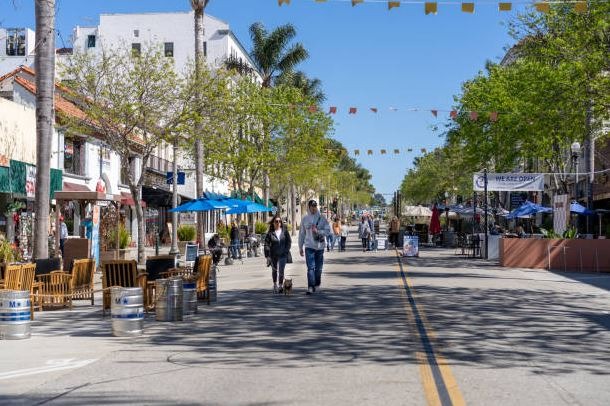
In recent years, walkability has emerged as one of the most influential factors shaping housing markets across the United States, and nowhere is this trend more pronounced than in Florida. With its diverse urban centers, thriving coastal communities, and booming real estate markets, Florida offers a compelling case study on how walkable neighborhoods affect property values.
From downtown Miami condos to bungalow homes near St. Petersburg’s arts district, the degree to which residents can walk to essential amenities like groceries, restaurants, transit, parks, and entertainment is increasingly a driver of buyer preference and demand. In this article, we’ll explore why walkability impacts property values, and what Florida buyers and sellers should know in 2026 and beyond.
What Does Walkability Mean in Real Estate?
Walkability refers to how accessible a neighborhood is on foot, typically evaluated using factors like:
- Proximity to daily needs (groceries, pharmacies, healthcare)
- Access to jobs, schools, and services
- Sidewalks and crosswalks
- Safety and traffic calming
- Public transit options
- Community layout and street connectivity
Cities and planners often use metrics like the Walk Score®, which rates areas from 0 (car-dependent) to 100 (walker’s paradise), to capture this quality.
Walkable neighborhoods are not just about convenience, they represent a lifestyle choice. In Florida, where climate, tourism, and urbanization intersect, walkability is increasingly tied to economic value.
Why Walkability Matters to Buyers
Walkability drives buyer interest for several reasons:
1. Convenience Equals Quality of Life
Today’s homebuyers, especially millennials, empty nesters, and eco-conscious buyers place a premium on convenience. A location where residents can walk to a café, gym, or park reduces reliance on cars, cuts monthly expenses, and boosts everyday satisfaction.
2. Demand for Urban and Mixed Use Neighborhoods
Urban cores are no longer just for investors or young professionals. Walkable districts with a mix of restaurants, retail, and housing are attracting a diverse range of buyers who value vibrant, connected communities.
3. Health and Sustainability Trends
Walking more isn’t just practical, it’s healthy. Communities that encourage walking and biking support residents’ well-being, which in turn makes properties more desirable.
4. Consumer Preference Shifts Post-Pandemic
After the pandemic, lifestyle preferences shifted. Many people now value proximity to outdoor spaces, local amenities, and community walkways more than they did a decade ago, reversing the previous trend of suburban car-centric living.
Walkability’s Impact on Property Values
Higher Demand = Higher Prices
The most direct impact of walkability is price appreciation. Properties in highly walkable neighborhoods often sell for a premium compared to less walkable areas. Buyers are willing to pay more for a location that simplifies daily life and reduces transportation costs.
Reduced Vacancy & Stronger Rental Markets
Walkable areas often have higher occupancy rates and stronger rental demand because renters also prioritize convenience and lifestyle. For investors, this means:
- Lower turnover
- Higher rents
- Greater long term value appreciation
Resilience in Market Fluctuations
Walkable neighborhoods tend to hold their value better during market downturns. In uncertain economic times, places with strong lifestyle appeal; which walkability enhances, tend to outperform more car dependent suburbs.
Catalyst for Neighborhood Revitalization
Walkability doesn’t just follow demand, it can create it. Investment in pedestrian infrastructure often leads to:
- New retail and dining options
- Improved public spaces
- Increased foot traffic
- Neighborhood revitalization
These improvements further increase property values over time.
Florida Cities Where Walkability Has Boosted Home Values
Florida’s diverse cities show different faces of walkability, but the trend is consistent: more walkable areas often command stronger real estate demand and pricing.
Miami
Miami’s urban core — including Brickell, Downtown, and Wynwood — has transformed into highly walkable, mixed use neighborhoods. Access to transit, nightlife, cultural amenities, and waterfront areas has driven high property values, particularly in condos and townhomes.
Walkability in Miami also supports:
- Lifestyle luxury branding
- Visitor appeal (beneficial for short term rentals)
- Job dense urban centers
Orlando
While Orlando is known for attractions and sprawling suburbs, its urban walkable pockets, like Thornton Park, Lake Eola, and Winter Park, have seen value gains. Buyers pay premiums for:
- Easy access to dining and entertainment
- Proximity to employment centers
- Walkable commuter lifestyles
These areas contrast with traditional car dependent neighborhoods further from the city center.
Tampa and St. Petersburg
Tampa’s downtown and historic districts offer walkable streets, waterfront access, and cultural assets. St. Petersburg’s downtown walkability, particularly the arts and dining districts, makes homes here especially appealing.
Walkable neighborhoods in these cities often see stronger competition and value retention compared to more isolated suburban areas.
Jacksonville Beach & Sarasota
Smaller coastal cities like Jacksonville Beach and Sarasota combine beach proximity with walkability. These lifestyle influences further uplift property values, particularly for buyers seeking both convenience and scenic coastal living.
How Walkability Is Measured
Understanding how walkability is quantified helps buyers and sellers translate lifestyle appeal into market strategy.
Walk Score®
The most widely used tool for walkability ratings. Key categories include:
- Walk Score®: Measures access to amenities within walking distance.
- Transit Score®: Evaluates availability and usefulness of public transportation.
- Bike Score®: Scores bike-friendliness of streets and trails.
These scores can impact listing descriptions, pricing expectations, and marketing strategy.
Walkability and Buyer Priorities in Florida
Different buyer segments value walkability in unique ways:
First Time Homebuyers
Often prioritize affordability and access to jobs, making walkable urban neighborhoods appealing for cost-savings on transportation.
Move Up Buyers
Look for lifestyle upgrades, quality local amenities, cafes, parks, and connected communities become significant selling points.
Empty Nesters and Retirees
Often prioritize safety, convenience, and access to healthcare, making walkable neighborhoods especially desirable.
Investors
Walkability correlates with rental demand, making walkable neighborhoods attractive for long term investment properties.
Challenges & Considerations
Walkability is powerful, but it isn’t the only factor shaping property values. Buyers and sellers should consider:
Affordability Tradeoffs
Highly walkable neighborhoods often come with higher price tags. Buyers balancing lifestyle and budget may need to weigh walkability against square footage or location further from urban centers.
Infrastructure Investment Needed
Some Florida cities are actively improving walkability, but these projects take time and funding. Buyers may benefit from future oriented thinking (i.e., choosing areas slated for walkability upgrades).
Traffic and Parking Considerations
In urban walkable cores, traffic and limited parking can deter some buyers. It’s essential to market these areas correctly, focusing on lifestyle benefits rather than convenience for car travel.
Tips for Buyers in Florida’s Walkable Markets
If walkability is a priority, here are key steps to guide your search:
1. Use Walk Score® as a Starting Metric
While not perfect, Walk Score® gives a quick sense of neighborhood access to daily needs.
2. Visit at Different Times
A neighborhood might score well on paper, but how do sidewalks feel in the evening? Are shops active? Visiting at different times gives real context.
3. Consider Transit Options
Even in Florida’s warm climate, transit access, like SunRail in Orlando or Tampa’s TECO Streetcar, enhances walkability and reduces dependence on cars.
4. Look for Mixed Use Developments
Planned communities with retail, dining, offices, and residences clustered together usually deliver stronger walkability and lifestyle appeal.
How Sellers Can Leverage Walkability
Sellers in walkable neighborhoods benefit from strong market positioning, but maximizing value requires strategy:
Highlight Walkability in Listings
Include:
- Nearby amenities within walking distance
- Proximity to transit or cultural hubs
- Walk Score® and lifestyle features
Example phrases:
- “Just steps to local dining, parks, and transit”
- “Highly walkable neighborhood with world class amenities”
Use Visual Maps and Distance Data
Show walking radii (e.g., 5-minute or 10-minute) from the property to key spots, this helps buyers visualize convenience.
Promote Local Lifestyle
Walkability is a lifestyle benefit. Sellers should frame the neighborhood experience, morning coffee walks, farmers markets, evening strolls, etc.
The Future of Walkability in Florida’s Real Estate
Florida’s population continues growing, driven by job opportunities, climate appeal, and lifestyle migration. As cities evolve, walkability will increasingly influence property values.
Investments in transit, urban planning, and pedestrian infrastructure, especially in Miami, Tampa Bay, Orlando, and other fast-growing metro areas, will likely further elevate walkable neighborhoods.
For real estate professionals, understanding and communicating walkability isn’t just good marketing, it’s a long term value strategy.
Conclusion
Walkability is more than a modern buzzword, it’s a measurable factor that strongly influences property values, buyer demand, and neighborhood appeal in Florida. Whether someone is a first time buyer, investor, or seasoned homeowner, walkability shapes real estate decisions and market outcomes.
In Florida cities with growing populations, vibrant cores, and lifestyle focused amenities, walkable neighborhoods are increasingly where value meets quality of life.