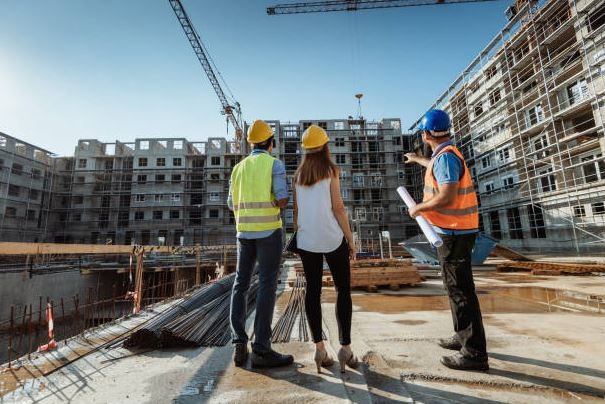
Infrastructure is often thought of as something that simply keeps a city functioning — roads, bridges, utilities, and public transportation. However, for homeowners, buyers, sellers, and real estate investors, infrastructure represents much more than convenience. It plays a significant role in shaping neighborhoods, attracting businesses, and influencing property values over time.
In Central Florida, where growth continues at a remarkable pace, infrastructure improvements are transforming communities throughout Orlando and the surrounding areas. From expanded highways and new commuter rail stations to parks, schools, and utility upgrades, these projects can have a lasting effect on local real estate markets.
Understanding how infrastructure projects impact real estate values can help buyers make smarter purchasing decisions, homeowners recognize opportunities for appreciation, and investors identify emerging markets before prices rise.
Why Infrastructure Matters to Real Estate
Infrastructure creates the foundation that allows communities to grow. While beautiful homes and attractive neighborhoods are important, buyers also consider how easily they can commute, access shopping, attend quality schools, and enjoy nearby amenities.
Communities with modern infrastructure generally offer:
- Easier transportation
- Improved safety
- Better public services
- Increased business development
- Enhanced quality of life
- Greater long-term economic stability
These factors often make neighborhoods more desirable, increasing buyer demand and supporting higher property values.
Transportation Improvements Often Lead the Way
One of the biggest drivers of real estate appreciation is improved transportation.
When governments invest in highways, road expansions, bridges, and public transit, they often reduce travel times and improve accessibility. Neighborhoods that were once considered too far from employment centers suddenly become much more attractive.
Examples include:
- Highway expansions
- New interstate connections
- Improved intersections
- Public transit routes
- Commuter rail stations
- Bike and pedestrian trails
For many buyers, reducing a daily commute by even 15 to 20 minutes can significantly increase a neighborhood’s appeal.
In Central Florida, transportation improvements have helped support continued residential growth in areas surrounding Orlando, allowing buyers to consider communities that previously felt less convenient.
Public Transit Can Increase Property Demand
Public transportation has become increasingly important as cities continue to grow.
Access to commuter rail, bus rapid transit, and future transit expansions often attracts buyers looking for convenient alternatives to driving.
Homes located near transit stations may benefit from:
- Increased buyer interest
- Improved walkability
- Higher rental demand
- Greater long-term appreciation potential
Young professionals, retirees, and households seeking a lower-maintenance lifestyle often prioritize neighborhoods with multiple transportation options.
While every market is different, transit-oriented development frequently encourages additional residential and commercial investment nearby.
Commercial Development Creates New Opportunities
Infrastructure improvements rarely occur in isolation.
Once new roads or utility systems are completed, commercial development often follows.
You may begin to see:
- Shopping centers
- Restaurants
- Grocery stores
- Medical offices
- Entertainment venues
- Office buildings
As these amenities become available, neighborhoods become increasingly attractive to buyers.
Convenient access to everyday necessities often encourages more people to move into an area, increasing competition for available homes.
Commercial growth also creates jobs, which can further strengthen local housing demand.
Utilities and Technology Matter More Than Ever
Modern infrastructure extends well beyond roads.
Reliable utilities and high-speed internet have become essential considerations for today’s buyers.
Important infrastructure upgrades include:
- Water and sewer improvements
- Stormwater management
- Electrical grid upgrades
- Fiber-optic internet
- Expanded broadband access
As remote work continues to influence housing preferences, dependable internet connectivity has become nearly as important as location for many buyers.
Communities with updated utility systems often appeal to both homeowners and businesses looking for reliable long-term infrastructure.
Schools and Community Facilities Influence Home Values
Educational facilities remain one of the strongest factors affecting residential real estate values.
When growing communities receive:
- New schools
- School renovations
- Libraries
- Recreation centers
- Community parks
- Athletic complexes
they often become more attractive to families.
Even buyers without children frequently recognize that strong community amenities help support long-term property values.
Neighborhood investments that improve quality of life typically contribute to sustained buyer demand over time.
Parks, Trails, and Green Spaces Add Lasting Appeal
Today’s buyers increasingly value outdoor recreation.
Communities that invest in parks, walking trails, waterfront improvements, and recreational facilities often experience increased popularity.
These amenities offer benefits such as:
- Improved neighborhood aesthetics
- Better health and wellness opportunities
- Increased walkability
- Community gathering spaces
- Higher perceived quality of life
Many buyers are willing to pay a premium for homes located near attractive parks or trail systems.
In Central Florida, expanding trail networks and public parks continue to enhance the appeal of many neighborhoods.
Infrastructure Can Encourage New Residential Development
As infrastructure expands, developers often identify opportunities for new residential communities.
Improved access to utilities and transportation makes previously undeveloped land more practical for housing.
New developments may include:
- Single-family homes
- Townhomes
- Condominiums
- Mixed-use communities
- Master-planned neighborhoods
These projects increase housing inventory while also bringing new retail, restaurants, and community amenities.
For buyers purchasing early in an area’s growth cycle, long-term appreciation may become more likely as development continues.
Job Growth and Economic Development Support Housing Demand
Infrastructure investments often attract employers.
Businesses typically seek locations with:
- Reliable transportation
- Modern utilities
- Access to workforce housing
- High-quality internet
- Efficient logistics
When companies relocate or expand into an area, they create jobs that increase demand for nearby housing.
As employment opportunities grow, both homebuyers and renters enter the market, helping strengthen local real estate values.
This relationship between infrastructure, employment, and housing demand is one reason growing metropolitan areas often experience continued appreciation over time.
Not Every Infrastructure Project Raises Property Values
While many infrastructure improvements create positive effects, some projects may temporarily or permanently impact nearby properties differently.
Potential concerns include:
- Construction delays
- Increased traffic
- Noise
- Road widening adjacent to homes
- Temporary business disruptions
Large commercial or industrial projects may also change neighborhood character in ways that some buyers find less desirable.
Because every project is unique, buyers should evaluate both the short-term inconveniences and long-term benefits before making purchasing decisions.
Timing Matters
Infrastructure improvements often influence property values long before construction is completed.
Once major projects are announced and funded, buyers and investors frequently begin purchasing nearby properties in anticipation of future growth.
Real estate markets commonly experience several phases:
Announcement Phase
Early buyers may find lower prices before widespread attention develops.
Construction Phase
Values may fluctuate while projects are underway due to temporary disruptions.
Completion Phase
Once improvements become operational, neighborhoods often experience increased buyer interest and stronger demand.
Understanding where a community sits within this timeline can help buyers make informed investment decisions.
What Buyers Should Research
If you’re considering purchasing a home, it’s worth researching planned infrastructure improvements before making an offer.
Helpful questions include:
- Are new roads or highway improvements planned?
- Is public transportation expanding nearby?
- Are new schools being built?
- Are parks or recreational facilities scheduled?
- Are utility upgrades planned?
- Is commercial development expected?
Many municipalities publish long-term capital improvement plans that outline upcoming projects.
Understanding future development can provide valuable insight into a neighborhood’s growth potential.
What Sellers Should Know
Homeowners preparing to sell should also understand nearby infrastructure improvements.
Projects that improve accessibility, community amenities, or neighborhood appeal may become valuable selling points.
Buyers often appreciate learning about:
- Nearby park improvements
- New retail centers
- Road enhancements
- Planned schools
- Expanded trails
- Public transportation access
Highlighting these community improvements alongside the home’s features can help demonstrate long-term value.
Infrastructure Is About More Than Roads
When many people hear “infrastructure,” they immediately think of highways.
In reality, infrastructure encompasses everything that helps a community function efficiently, from transportation and utilities to parks, schools, broadband, and public services.
These investments shape neighborhoods, influence buyer behavior, encourage business growth, and support property appreciation for years to come.
For Central Florida, continued infrastructure investment remains one of the primary reasons many communities continue to attract new residents and businesses.
Final Thoughts
Understanding how infrastructure projects impact real estate values allows buyers, sellers, and investors to make more informed decisions in an evolving market.
While no project guarantees appreciation, improvements that enhance accessibility, convenience, public services, and quality of life often strengthen neighborhood demand over time. Paying attention to current and planned infrastructure projects can provide valuable insight into where future growth may occur and help you better evaluate both immediate opportunities and long-term investment potential.
As Central Florida continues to expand, infrastructure will remain one of the key forces shaping the region’s real estate landscape. Whether you’re purchasing your first home, selling a property, or building an investment portfolio, considering the broader picture of community development can help you make confident real estate decisions for years to come.