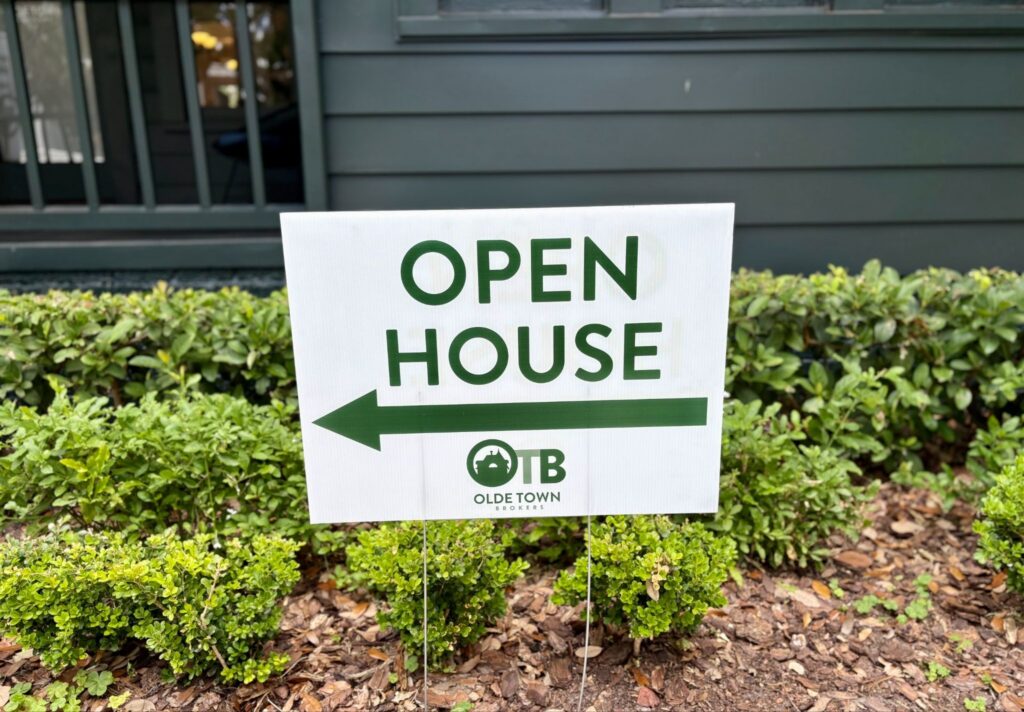
In today’s fast-moving real estate landscape, traditional strategies are evolving alongside technology. While open houses have long been a cornerstone of home marketing, the way they’re planned, promoted, and experienced has shifted dramatically. Hosting successful open houses in a digital age now requires a thoughtful blend of in-person presentation and online engagement.
For sellers and agents alike, the goal remains the same: attract qualified buyers, create a memorable experience, and generate strong offers. However, achieving that goal means embracing digital tools while still delivering the personal touch that makes open houses so effective.
Why Open Houses Still Matter
Despite the rise of virtual tours and online listings, open houses continue to play an important role in real estate. They offer buyers a chance to experience a home beyond photos and videos, allowing them to connect emotionally with the space.
In a digital-first world, open houses serve as a bridge between online discovery and real-world decision-making. Buyers often begin their search on listing platforms, but stepping inside a home helps them visualize their lifestyle in a way no screen can fully replicate.
That said, today’s buyers are more informed than ever. By the time they attend an open house, they’ve likely already viewed photos, floor plans, and neighborhood details online. This means the in-person experience must meet and exceed the expectations set digitally.
Preparing the Home for a Digital-First Audience
The success of an open house begins long before the doors open. Preparation now involves both physical staging and digital presentation.
Elevated Staging and Presentation
A well-staged home remains essential. Clean, decluttered spaces with neutral décor help buyers envision themselves living there. Natural light, fresh scents, and subtle design touches can make a lasting impression.
But in a digital age, staging must also translate well on camera. Many buyers will revisit the listing online after attending, so consistency between the in-person experience and digital visuals is key.
Professional Photography and Video
High-quality photography is no longer optional, it’s expected. Professional images should highlight the home’s best features while accurately representing the space.
Video walkthroughs and cinematic property tours can further elevate a listing. These assets not only attract more attention online but also build anticipation for the open house itself.
Leveraging Digital Marketing to Drive Attendance
One of the biggest shifts in hosting successful open houses in a digital age is how they’re promoted. Traditional yard signs and flyers still have value, but digital marketing is now the primary driver of traffic.
Social Media Promotion
Platforms like Instagram, Facebook, and even TikTok are powerful tools for showcasing open houses. Posting eye-catching photos, short video clips, and behind-the-scenes content can generate buzz leading up to the event.
Creating a sense of urgency, such as limited viewing times or highlighting unique features can encourage more people to attend.
Email Campaigns
Targeted email marketing remains highly effective. Sending out open house announcements to a curated list of buyers, agents, and past clients can significantly increase turnout.
Emails should include compelling visuals, key property details, and clear event information, along with a call-to-action to RSVP or learn more.
Online Listings and Event Platforms
Ensuring the open house is prominently featured on major real estate websites is essential. Adding the event to online calendars and local event platforms can further expand visibility.
The more places buyers encounter the listing, the more likely they are to attend.
Creating a Seamless In-Person Experience
While digital marketing gets buyers through the door, the in-person experience ultimately determines how they feel about the home.
First Impressions Matter
From the moment visitors arrive, every detail counts. Curb appeal should be polished, with landscaping trimmed and the entryway inviting.
Inside, lighting should be warm and welcoming, and the home should feel comfortable without being overly personalized.
Guided Yet Flexible Tours
Buyers appreciate the freedom to explore at their own pace, but having an agent available to answer questions and highlight key features adds value.
Striking the right balance between being helpful and giving space is essential. A well-informed agent can point out upgrades, neighborhood benefits, and unique selling points without overwhelming visitors.
Creating a Memorable Atmosphere
Small touches can make a big difference. Light refreshments, soft background music, and a thoughtfully arranged space can help buyers feel at ease.
The goal is to create an environment where visitors can imagine themselves living in the home.
Integrating Technology During the Open House
Technology doesn’t stop at marketing, it can enhance the open house experience itself.
Digital Sign-In Tools
Instead of traditional paper sign-in sheets, many agents now use digital apps to collect visitor information. This streamlines the process and ensures accurate follow-up.
It also allows for immediate integration into CRM systems, making post-event communication more efficient.
QR Codes and Property Information
Providing QR codes throughout the home gives visitors instant access to property details, floor plans, and additional photos.
This not only reduces the need for printed materials but also allows buyers to revisit information later.
Virtual Tour Access
Even during an in-person event, offering access to a virtual tour can be beneficial. Buyers may want to revisit certain areas or share the listing with others who couldn’t attend.
Blending physical and digital experiences creates a more comprehensive presentation.
Engaging Buyers Beyond the Event
Hosting successful open houses in a digital age doesn’t end when the doors close. Follow-up is a critical component of turning interest into offers.
Prompt and Personalized Follow-Up
Reaching out to attendees shortly after the event helps keep the property top of mind. Personalized messages, referencing specific conversations or interests, can make a stronger impact than generic emails.
This is also an opportunity to answer additional questions and provide further details.
Retargeting and Continued Marketing
Digital advertising allows agents to retarget individuals who viewed the listing or engaged with open house promotions.
Seeing the property again online can reinforce interest and encourage buyers to take the next step.
Gathering Feedback
Feedback from attendees provides valuable insights. Understanding what buyers liked or didn’t like can help refine marketing strategies or identify areas for improvement.
It also shows sellers that their agent is proactive and responsive.
Adapting to Changing Buyer Expectations
Today’s buyers expect convenience, transparency, and accessibility. Hosting successful open houses in a digital age means meeting those expectations at every stage.
Flexible scheduling, clear communication, and easy access to information all contribute to a positive experience.
Additionally, safety and comfort remain important considerations. Ensuring the home is clean, well-ventilated, and easy to navigate helps create a welcoming environment for all visitors.
The Future of Open Houses
As technology continues to evolve, open houses will likely become even more dynamic. Augmented reality, interactive floor plans, and AI-driven insights may further enhance how properties are presented.
However, the core purpose of an open house, connecting buyers with a home, will remain unchanged.
The most successful agents will be those who embrace innovation while maintaining a strong focus on personal connection. By combining digital tools with thoughtful in-person experiences, open houses can continue to be a powerful driver of real estate success.
Final Thoughts
Hosting successful open houses in a digital age requires more than simply opening the doors and waiting for buyers to arrive. It’s about creating a cohesive strategy that integrates online marketing, high-quality presentation, and meaningful engagement.
From professional photography and social media promotion to seamless in-person experiences and effective follow-up, every step plays a role in attracting the right buyers and achieving strong results.
In a market where first impressions often happen online, the open house becomes an opportunity to bring those impressions to life. When done well, it can transform interest into emotion, and emotion into action.