11/19 Central Florida Real Estate | Community |
The Hidden Costs of Homeownership (and How to Plan for Them)
Back to Articles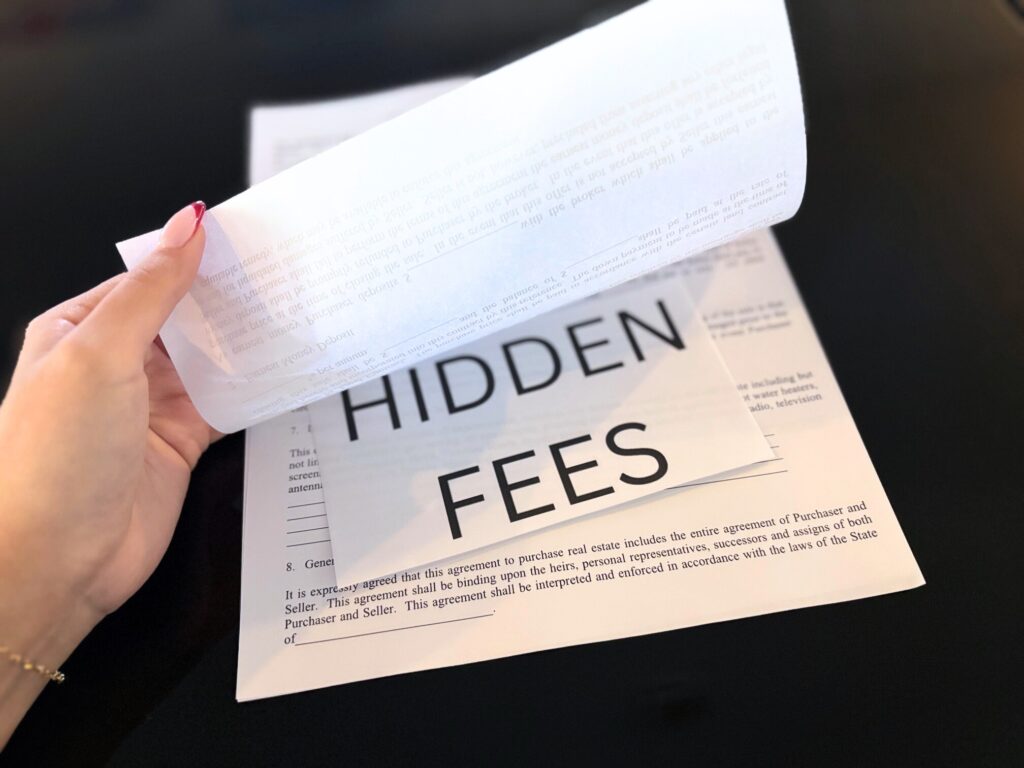
Buying a home is one of the most exciting milestones in life. It represents stability, independence, and an investment in your future. However, while most homeowners prepare for the upfront costs, like the down payment and closing fees, many overlook the ongoing and unexpected expenses that come with ownership. These “hidden costs” can quickly add up, affecting your monthly budget and long-term financial goals if you’re not prepared.
Understanding these expenses and planning for them is key to maintaining both your home and your financial health. Whether you’re a first time buyer or a seasoned homeowner, this guide breaks down the often overlooked costs of homeownership, and offers practical tips for managing them effectively.
1. Property Taxes
Property taxes are one of the largest ongoing expenses homeowners face. The amount you owe depends on your home’s assessed value and your local tax rate, which can vary widely by county or municipality.
Even if your mortgage lender escrows taxes for you, it’s important to know how much of your monthly payment goes toward them. Property taxes often increase as home values rise or when local governments adjust rates to fund schools, infrastructure, and community services.
How to Plan for It:
- Review your county’s property tax records to see historical trends.
- Factor in potential increases when calculating affordability.
- Set aside an emergency cushion for annual reassessments that could raise your tax bill.
2. Homeowners Insurance
Homeowners insurance protects your home and personal belongings against damage or loss due to fire, theft, storms, and other perils. In Florida and other coastal states, premiums can be particularly high due to hurricane risk.
Beyond standard coverage, some homeowners need additional protection, like flood insurance or windstorm coverage, which are often separate policies and not included in standard homeowners insurance.
How to Plan for It:
- Shop around annually to compare quotes and coverage levels.
- Bundle policies with your auto insurance to save money.
- Understand what’s excluded from your policy (e.g., flood or sinkhole damage) and add coverage as needed.
3. Utilities and Services
When you transition from renting to owning, you’ll notice that utility costs can rise significantly, especially if your rental previously included them. Homeowners are responsible for water, electricity, gas, internet, trash collection, and sometimes sewer or septic system maintenance.
Older homes, in particular, may be less energy efficient, leading to higher bills for heating and cooling.
How to Plan for It:
- Request past utility bills from the seller or your real estate agent to estimate monthly costs.
- Invest in energy efficient appliances and smart thermostats.
- Seal doors and windows, upgrade insulation, and switch to LED lighting to reduce long-term utility expenses.
4. Routine Maintenance and Repairs
One of the most overlooked costs of owning a home is regular maintenance. From cleaning gutters to servicing HVAC systems, small tasks prevent major repairs down the road.
Experts recommend setting aside 1–3% of your home’s purchase price annually for maintenance. For example, on a $400,000 home, that’s $4,000–$12,000 per year.
How to Plan for It:
- Create a yearly home maintenance checklist.
- Schedule routine inspections for roofing, plumbing, and HVAC.
- Build a dedicated “home fund” for unexpected repairs like a leaky water heater or broken appliance.
5. Major Replacements and Renovations
Every home component has a lifespan: roofs, HVAC systems, water heaters, and kitchen appliances all eventually need replacing. Even if everything is new when you move in, wear and tear will take its toll over time.
Large expenses like roof replacements or foundation repairs can cost thousands of dollars. Even smaller upgrades like new flooring or repainting add up.
How to Plan for It:
- Keep an updated home improvement schedule based on the age of major systems.
- Research average replacement costs for major components in your area.
- Consider a home warranty for peace of mind, though be sure to read the fine print about what’s covered.
6. Landscaping and Outdoor Upkeep
Curb appeal matters, not just for resale value but for maintaining your property’s health and beauty. Lawn care, tree trimming, pest control, and irrigation system maintenance are recurring expenses that homeowners often underestimate.
In Florida, where lawns grow quickly and humidity encourages pests, outdoor upkeep can be more frequent and costly.
How to Plan for It:
- Budget for regular lawn maintenance or invest in easy care landscaping with native plants.
- Inspect your irrigation system seasonally to avoid water waste.
- Use pest prevention measures to avoid costly infestations.
7. HOA Fees and Community Assessments
If you buy in a community with a homeowners association (HOA), expect to pay monthly or quarterly fees. These fees typically cover shared amenities such as pools, parks, or security gates, as well as maintenance for common areas.
However, some HOAs also levy special assessments for major projects like roof replacements, road repairs, or community improvements. These one time charges can be significant and often catch homeowners off guard.
How to Plan for It:
- Review HOA documents before purchasing to understand fee structures and reserve funds.
- Ask about any upcoming assessments or community projects.
- Include HOA dues in your long-term housing budget.
8. Pest Control and Preventative Care
Termites, rodents, and other pests can cause extensive damage if left unchecked. In Florida, termite treatment and prevention are particularly important due to the warm, humid climate that attracts them.
Routine pest control is an ongoing expense, but it’s far less costly than major structural repairs caused by infestations.
How to Plan for It:
- Schedule quarterly or biannual pest inspections.
- Keep vegetation trimmed and foundations clear to reduce pest entry points.
- Factor pest control services into your annual maintenance budget.
9. Home Furnishings and Décor
When you first move in, it’s tempting to fill every room with new furniture, décor, and appliances. These costs add up quickly, especially if you’ve upsized from an apartment or smaller home.
Even beyond initial furnishing, replacing worn items or updating décor to reflect your evolving style is an ongoing expense.
How to Plan for It:
- Prioritize essential items first (bed, sofa, dining set) and add others gradually.
- Take advantage of holiday sales or gently used furniture marketplaces.
- Set aside an annual décor or improvement budget to spread out costs over time.
10. Safety and Security Upgrades
Investing in your home’s security, such as alarm systems, outdoor lighting, or smart locks, not only protects your property but can also lower your insurance premiums.
These systems often involve installation fees and monthly monitoring costs, which vary based on the provider and level of service.
How to Plan for It:
- Compare providers for the best mix of affordability and features.
- Choose smart home devices that integrate with your existing systems.
- Include safety upgrades in your initial move-in budget or as phased projects.
11. Emergency Repairs and Unexpected Costs
Even with careful planning, things can go wrong, a sudden plumbing leak, an air conditioner that fails during summer, or storm damage that requires immediate attention.
These situations highlight why having a dedicated emergency fund is crucial for every homeowner.
How to Plan for It:
- Keep 3–6 months of living expenses in a separate emergency account.
- Use part of your savings specifically for home related emergencies.
- Address small issues promptly before they escalate into major problems.
12. Closing and Moving Costs (Often Overlooked)
While technically part of the home buying process, closing and moving costs often surprise first-time buyers. These can include appraisal fees, inspection costs, title insurance, moving truck rentals, utility deposits, and professional cleaning.
Even after move in, you may encounter “settling in” costs such as changing locks, installing blinds, or purchasing tools and lawn equipment.
How to Plan for It:
- Budget 2–5% of the home’s purchase price for closing expenses.
- Request itemized estimates from your lender and service providers.
- Add a cushion for moving-related purchases to your financial plan.
13. Planning for Long-Term Financial Stability
Owning a home is more than a financial transaction, it’s an ongoing responsibility. The best way to handle hidden costs is through strategic budgeting and proactive maintenance.
Tips for Success:
- Use a budgeting app or spreadsheet to track recurring home expenses.
- Review your insurance and mortgage terms annually.
- Set up automatic transfers to your home maintenance savings account each month.
- Stay informed about local property tax changes and community regulations.
By anticipating these costs, you’ll avoid the financial strain that catches many homeowners off guard and protect your investment for the long run.
Conclusion
While homeownership brings pride, stability, and potential financial growth, it also comes with ongoing financial responsibilities that extend well beyond the mortgage. From property taxes and insurance to maintenance and unexpected repairs, the hidden costs of homeownership can easily add up, but they don’t have to catch you by surprise.
By understanding what to expect and creating a realistic budget, you can enjoy your home without the stress of unexpected expenses. Plan ahead, stay proactive, and view your home not just as a purchase, but as a long-term investment worth protecting.