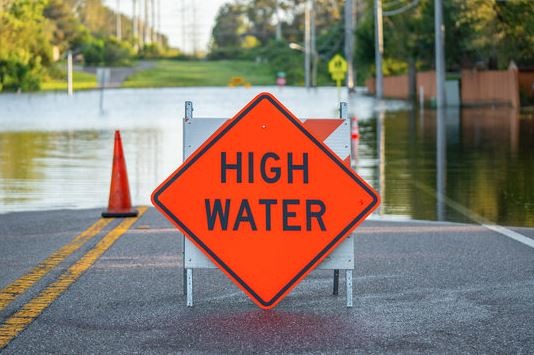
Buying a home in Florida comes with plenty of excitement, from finding the right neighborhood to envisioning life in your new home. But there are also important factors buyers need to investigate before making an offer, and flood risk should be near the top of the list.
Florida’s geography, extensive coastline, waterways, low-lying areas, and frequent storms make flooding a concern in many communities. Importantly, a property does not have to sit directly on the coast or next to a lake to have some level of flood risk. Florida’s Office of Insurance Regulation notes that flooding can occur in both coastal and inland areas, and most standard homeowners insurance policies do not cover flood damage.
For Florida home buyers, understanding flood zones can help prevent unexpected insurance costs, financing complications, and surprises after closing. Here is what you need to know before purchasing a Florida home.
What Is a Flood Zone?
A flood zone is an area designated on a flood map based on its potential risk of flooding. The Federal Emergency Management Agency (FEMA) uses Flood Insurance Rate Maps, commonly called FIRMs, to identify areas with different levels of flood hazard.
FEMA generally categorizes properties into high-risk, moderate- to low-risk, and undetermined-risk areas. High-risk areas are commonly referred to as Special Flood Hazard Areas (SFHAs) and have at least a 1% annual chance of flooding.
Some of the flood-zone designations Florida buyers may encounter include:
- Zones A and AE: High-risk areas generally associated with a 1% annual chance of flooding.
- Zones V and VE: High-risk coastal areas that may also experience wave action from storm surge.
- Zones X: Areas generally considered moderate- or lower-risk, although flooding is still possible.
- Zone D: Areas where flood hazards have not been determined.
It is important to remember that a lower-risk designation does not mean a property is guaranteed to remain dry. FEMA emphasizes that everyone lives with some degree of flood risk.
Why Flood Zones Matter When Buying a Florida Home
A property’s flood zone can affect much more than where you park your car during hurricane season. It can influence insurance requirements, monthly housing costs, financing, renovations, and your overall assessment of the property.
For example, homes located in high-risk flood areas may require flood insurance when the buyer has a federally backed mortgage. Some lenders may also require flood insurance even when a property is outside a high-risk zone.
That means buyers should investigate flood risk early in the home-buying process rather than waiting until they are preparing to close.
A home that appears affordable based on its purchase price and standard homeowners insurance could have substantially different carrying costs once flood insurance is factored in.
How to Find a Property’s Flood Zone
One of the best places to start is FEMA’s Flood Map Service Center, which is the official public source for FEMA flood hazard information.
Buyers can search for a property by address and review the applicable flood map and related information. FEMA recommends checking current mapping information because flood maps can change as development, drainage patterns, terrain, and other conditions change over time.
However, a flood map should be just one part of a buyer’s research. Local floodplain administrators, insurance professionals, lenders, engineers, and real estate professionals can provide additional information about a property’s specific circumstances.
Flood Zone vs. Actual Flood History
One common misconception is that a flood zone tells you everything you need to know about a home’s flooding history.
It doesn’t.
A property may be located in a lower-risk flood zone but have experienced flooding in the past. Conversely, a property in a high-risk zone may have never experienced significant flooding.
This is why buyers should look beyond the FEMA designation and investigate the property’s history.
Florida law now requires sellers of residential real property to provide a flood disclosure to buyers at or before the sales contract is executed. The disclosure addresses whether the seller knows of flooding that damaged the property during their ownership, whether flood-related insurance claims have been filed, and whether the property has received flood-related assistance, including from FEMA.
Buyers should review this information carefully and ask questions if anything is unclear.
Does Homeowners Insurance Cover Flooding?
This is one of the most important questions Florida buyers need to ask.
In most cases, standard homeowners insurance does not cover flood damage. Flood coverage generally needs to be purchased separately through a flood insurance policy or another available form of flood coverage.
Flood insurance may be available through the National Flood Insurance Program (NFIP) or through private insurers. Florida’s insurance marketplace includes both federal and private flood insurance options.
Coverage and pricing can vary significantly, so buyers should obtain an insurance quote before committing to a property.
This is especially important in Florida, where insurance costs can play a major role in determining the true monthly cost of homeownership.
Do You Need Flood Insurance in a Low-Risk Zone?
Not necessarily, but that doesn’t mean you should automatically skip it.
Flood insurance is generally not federally required for properties in moderate- or low-risk zones, although a lender can still require coverage. Florida’s insurance regulators also recommend considering flood insurance because flooding can happen outside traditionally designated high-risk areas.
In fact, the Florida Department of Financial Services notes that approximately 25% of flood claims occur in low-risk areas.
For buyers, this is an important reminder: “not required” and “not needed” are two very different things.
When deciding whether flood insurance makes sense, consider the property’s elevation, drainage, proximity to water, prior flooding, neighborhood history, and the potential financial impact of a major flood.
How Flood Insurance Can Affect Your Home-Buying Budget
When creating a Florida home-buying budget, buyers often focus on the mortgage payment, property taxes, homeowners insurance, and HOA fees.
Flood insurance should also be considered when applicable.
Before making an offer, ask your insurance agent for an estimate of both homeowners and flood insurance costs. Getting this information early can help you compare properties more accurately.
For example, two homes with similar purchase prices may have very different insurance expenses based on their location and flood exposure.
It’s also important to understand that flood insurance premiums are not determined solely by the property’s flood-zone designation. FEMA’s current pricing methodology considers a broader range of property and flood-risk characteristics.
The best way to understand the actual cost is to obtain a quote for the specific property.
What About Flood Zones and Mortgage Requirements?
Flood zones can also affect the financing process.
If a property is located in a high-risk flood area and the mortgage is federally backed, the lender generally requires flood insurance as a condition of the loan.
This means flood-zone research should happen before closing, not after.
If you are already under contract, your lender and insurance provider may identify flood requirements during the loan and insurance processes. But buyers can save time and avoid surprises by investigating these issues during the due-diligence period.
If flood insurance is required, make sure you understand:
- The estimated annual premium
- Coverage limits
- Deductibles
- What the policy covers
- What it excludes
- Whether contents coverage is included
- Whether additional private coverage may be appropriate
Don’t Confuse Flood Risk With Being Near Water
A common misconception is that flood risk only matters for waterfront properties.
In reality, flooding can result from several sources, including heavy rainfall, storm surge, overflowing waterways, and surface-water runoff. Florida’s low-lying terrain and significant rainfall can contribute to flooding even in areas that are not immediately adjacent to a lake, river, or ocean.
This is particularly important for buyers relocating to Florida from other states.
A home can look perfectly safe during a sunny afternoon showing and still have meaningful flood exposure during a major storm.
That’s why buyers should research the specific property rather than making assumptions based solely on appearance or proximity to water.
What Buyers Should Ask Before Making an Offer
When considering a Florida property, a few additional questions can help you better understand the potential risks and costs.
Consider asking:
- What flood zone is the property located in?
- Has the property ever experienced flooding?
- Has the seller filed a flood insurance claim?
- Has the property received FEMA assistance related to flooding?
- Is flood insurance required by the lender?
- How much will flood insurance cost?
- Are there elevation certificates or other relevant documents available?
- Have flood maps for the area recently changed?
- Are there local drainage or stormwater concerns?
- Have neighboring properties experienced flooding?
These questions don’t necessarily mean you should walk away from a property. Instead, they give you more information to make an informed decision.
Flood Zones Should Be Part of Your Overall Due Diligence
A flood-zone designation is just one piece of the larger home-buying puzzle.
Buyers should also consider the home’s construction, elevation, drainage, roof condition, foundation, HVAC equipment, electrical systems, and other factors that may affect how the property performs during severe weather.
If you are purchasing a home in an area with meaningful flood exposure, professional inspections can be especially valuable.
It can also be helpful to talk with an insurance professional who understands Florida’s market and can explain the difference between homeowners coverage and flood coverage.
The goal isn’t to eliminate every possible risk. No Florida property is completely immune to severe weather. Instead, the goal is to understand the risks before purchasing and budget accordingly.
Final Thoughts
Understanding flood zones in Florida is an important part of buying a home in the Sunshine State. From insurance requirements and mortgage considerations to past flooding and changing flood maps, there are several factors buyers should investigate before making a decision.
The most important takeaway is simple: don’t assume a property is safe from flooding just because it isn’t directly on the water, and don’t assume a low-risk flood zone means there is no risk.
Start by reviewing the property’s current FEMA flood map, investigate its flood history, review the required seller disclosure, and obtain insurance quotes before finalizing your purchase.
With the right information and professional guidance, buyers can better understand flood risk, plan for insurance costs, and make more confident decisions when purchasing a Florida home.