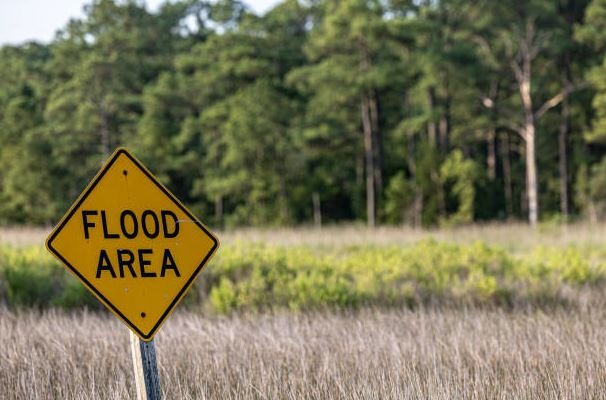
Florida remains one of the most desirable states in the country for homebuyers, offering year round sunshine, diverse communities, and access to world class beaches, lakes, and waterways. However, alongside these benefits comes a unique consideration that every buyer must understand before purchasing a home: flood zones.
Flood zones impact more than just insurance requirements, they can influence home affordability, resale value, renovation plans, and long term ownership costs. Whether you’re purchasing a coastal property, a lakefront home, or a residence miles inland, understanding how flood zones work in Florida is essential to making an informed decision.
This guide breaks down what flood zones are, how they affect buyers, and what to consider before moving forward with a purchase.
Understanding Flood Zones in Florida
Flood zones are geographic areas defined by the Federal Emergency Management Agency (FEMA) based on the likelihood of flooding. These zones are shown on Flood Insurance Rate Maps (FIRMs) and are used to assess risk and determine flood insurance requirements.
Every property in Florida is located within a flood zone, ranging from minimal risk to high risk. Importantly, being in a lower risk zone does not mean flooding cannot occur; it simply means the probability is lower based on historical data and modeling.
Common FEMA Flood Zone Classifications
High-Risk Flood Zones
High-risk zones have at least a 1% annual chance of flooding, often referred to as a “100 year flood zone.” Over the life of a typical 30 year mortgage, this equates to roughly a 26% chance of flooding.
Common high-risk zones in Florida include:
- Zone A – High risk with no determined base flood elevation
- Zone AE – High risk with established base flood elevations
- Zone AH / AO – Areas subject to shallow flooding
- Zone V / VE – Coastal areas with additional wave action risk
Homes in these zones typically require flood insurance when financed with a federally backed mortgage.
Moderate and Low-Risk Flood Zones
- Zone X (shaded) – Moderate flood risk
- Zone X (unshaded) – Minimal flood risk
Flood insurance is not federally required in these zones, but it is still strongly recommended. A significant percentage of flood insurance claims nationwide occur in moderate to low-risk areas, especially after heavy rain events.
Zone D
Zone D indicates that flood risk has not yet been determined due to insufficient data. While insurance is not mandatory, uncertainty can still present financial risk for buyers.
Why Flood Zones Matter to Florida Homebuyers
Flood Insurance Requirements
If you are purchasing a home located in a high-risk flood zone and using a federally backed mortgage, flood insurance is mandatory. This requirement is enforced through the National Flood Insurance Program (NFIP).
Flood insurance is not included in standard homeowners insurance policies and must be purchased separately. Without proof of coverage, a lender will not allow the transaction to close.
Impact on Monthly Housing Costs
Flood insurance premiums vary widely depending on factors such as:
- Flood zone designation
- Elevation of the structure
- Age and construction type of the home
- Proximity to water sources
For some properties, flood insurance can add hundreds or even thousands of dollars per year to housing expenses. Buyers should factor this cost into affordability calculations early in the process.
Resale and Marketability Considerations
Flood zones can influence buyer demand. Some purchasers are hesitant to buy in higher-risk areas due to insurance costs or perceived future risk, which can affect:
- Time on market
- Buyer pool size
- Negotiation leverage
That said, many Florida buyers are comfortable purchasing in flood zones as long as risks are understood and priced appropriately.
How to Check a Property’s Flood Zone
Buyers should never rely solely on online real estate portals or MLS summaries when evaluating flood risk.
Use FEMA’s Flood Map Service Center
FEMA’s Flood Map Service Center allows buyers to:
- Search by property address
- View official flood zone designations
- Download map panels for documentation
This is the most accurate and widely accepted source for flood zone information.
Elevation Certificates
An Elevation Certificate documents the elevation of a structure relative to the base flood elevation. This document can significantly impact flood insurance premiums and, in some cases, reduce costs substantially.
Buyers can request an existing certificate from the seller or order a new one through a licensed surveyor or engineer during the inspection period.
Flood Insurance Options in Florida
NFIP Coverage
NFIP policies provide standardized coverage limits and are accepted by all federally backed lenders. Coverage includes:
- Building coverage
- Limited contents coverage
NFIP policies do have caps, which may not fully cover higher value homes or luxury properties.
Private Flood Insurance
Private flood insurance has become more common in Florida and may offer:
- Higher coverage limits
- Competitive pricing in certain zones
- Broader policy options
However, availability and pricing depend on location, flood risk, and property characteristics.
Flood Risk Beyond Coastal Properties
One of the most common misconceptions among buyers is that flood risk only affects beachfront or waterfront homes. In reality, Florida experiences flooding due to:
- Heavy rainfall and tropical systems
- Poor drainage infrastructure
- High water tables
- Overflowing lakes and retention ponds
Inland flooding is increasingly common, even in areas previously considered low risk.
Flood Zones and Future Risk
Flood maps are updated periodically based on new data, development patterns, and climate modeling. Properties that are currently in low-risk zones may be reclassified in the future, potentially increasing insurance requirements and costs.
Buyers should consider not just today’s flood zone, but how risk may evolve over the life of ownership.
Tips for Buyers Navigating Flood Zones
Research Early
Check flood zones before making an offer and review insurance estimates during the budgeting stage.
Request Disclosures
Ask sellers about prior flooding, water intrusion, or flood insurance claims. While disclosure laws vary, transparency helps buyers make informed decisions.
Budget Conservatively
Account for flood insurance costs, potential deductibles, and long term maintenance when evaluating affordability.
Consult Local Professionals
Real estate professionals familiar with Florida markets, insurance agents, and surveyors can provide valuable insights beyond what flood maps show.
Final Thoughts
Flood zones are an unavoidable part of Florida real estate, but they don’t have to be a deal breaker. With the right information, buyers can confidently evaluate risk, understand costs, and choose properties that align with their lifestyle and financial goals.
By researching flood zones early, understanding insurance requirements, and planning for long-term risk, buyers can make smart, informed decisions and enjoy everything Florida living has to offer with greater peace of mind.