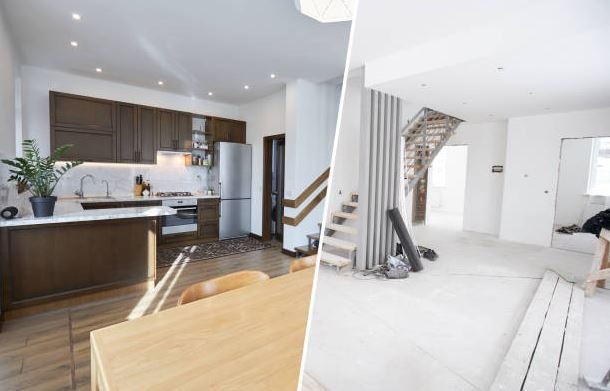
Owning a home in Florida comes with both opportunity and responsibility. Whether you live in a historic property in Downtown Orlando or a newer construction home, ongoing expenses are part of long-term ownership. Understanding budgeting for repairs vs renovations is one of the most important financial distinctions a homeowner can make. While the two terms are often used interchangeably, they serve very different purposes financially and strategically. Knowing how to plan for each can help you protect your property value, avoid unnecessary debt, and make smarter long-term real estate decisions.
While the two terms are often used interchangeably, they serve very different purposes financially and strategically. Knowing the difference can help you:
- Protect your home’s value
- Avoid unnecessary debt
- Plan smart improvements
- Prepare for Florida specific maintenance needs
- Make better resale decisions
If you want to approach homeownership with clarity and confidence, this distinction matters.
What Is a Home Repair?
A repair restores something that is damaged, broken, or no longer functioning as intended. Repairs are essential to maintaining safety, structural integrity, and habitability.
Repairs are reactive. Something fails, and it must be fixed.
Common Examples of Repairs
- Fixing a roof leak after heavy rain
- Repairing a malfunctioning HVAC system
- Replacing a broken water heater
- Fixing plumbing leaks
- Repairing electrical issues
- Addressing foundation cracks
- Replacing damaged siding or fascia
In Florida, repairs are especially common due to:
- Heat and humidity
- Heavy rainfall
- Hurricane exposure
- Salt air in coastal areas
- High HVAC usage year round
Key Financial Characteristics of Repairs
- Often unexpected
- Necessary, not optional
- Preserve existing value
- Prevent larger future damage
Repairs protect your investment. They do not typically increase your home’s value, but failing to address them can decrease it significantly.
What Is a Renovation?
A renovation improves or upgrades your home beyond its current condition. Renovations are typically planned projects focused on aesthetics, functionality, or increasing market appeal.
Renovations are proactive and strategic.
Common Examples of Renovations
- Remodeling a kitchen with new cabinetry and countertops
- Updating bathrooms with modern finishes
- Converting to an open-concept floor plan
- Installing new flooring throughout the home
- Adding a covered patio or outdoor kitchen
- Enhancing curb appeal with new landscaping
Unlike repairs, renovations are discretionary. They’re often tied to lifestyle upgrades, resale preparation, or personal enjoyment.
Financial Characteristics of Renovations
- Typically planned in advance
- May increase resale value
- Vary widely in cost
- Require detailed budgeting
Renovations can increase your home’s market competitiveness, if done thoughtfully and in alignment with neighborhood expectations.
Why Understanding the Difference Matters
Blurring the line between repairs and renovations can lead to financial stress. Many homeowners:
- Use emergency funds for cosmetic upgrades
- Delay necessary repairs while saving for remodels
- Underestimate renovation costs
- Confuse maintenance with value adding improvements
Clear categorization allows for smarter budgeting and long-term planning.
Budgeting for Repairs in Florida
Repairs should never be an afterthought. They are a predictable part of homeownership, even if the timing is unpredictable.
How Much Should You Set Aside?
A common rule of thumb is:
1%–3% of your home’s value annually for maintenance and repairs.
For example:
- $400,000 home → $4,000–$12,000 per year
- $600,000 home → $6,000–$18,000 per year
Older homes, especially historic properties common in areas like Downtown Orlando, may require budgeting toward the higher end of that range.
Florida Specific Repair Considerations
Florida homes experience accelerated wear due to:
- Constant AC use
- Roof stress from storms
- Moisture intrusion risks
- Termite and pest exposure
- UV damage to exterior materials
Regular inspections of roofing, HVAC, plumbing, and drainage systems can significantly reduce surprise expenses.
Smart Repair Budgeting Strategies
- Keep a dedicated home repair savings account
- Perform annual roof and HVAC inspections
- Address small issues early
- Maintain proper drainage and landscaping
Proactive maintenance often reduces long term repair costs.
Budgeting for Renovations: Strategic Investment
Unlike repairs, renovations require deliberate planning. Before starting any project, ask:
- How long do I plan to stay in this home?
- Is this for personal enjoyment or resale?
- Does this align with neighborhood property values?
- What is the expected return on investment?
Include These in Your Renovation Budget
A realistic renovation budget should include:
- Materials
- Labor
- Permits
- Design or architectural fees
- Temporary housing (if needed)
- 10–20% contingency buffer
Unexpected costs are common, especially in older Florida homes where opening walls can reveal outdated plumbing or wiring.
Repairs vs. Renovations: Impact on Property Value
Understanding value impact is essential, especially in competitive real estate markets.
Repairs
Repairs maintain value.
Without them, your home may:
- Sit longer on the market
- Receive lower offers
- Fail inspections
- Require seller concessions
A leaking roof or outdated electrical system can dramatically impact buyer confidence.
Renovations
Renovations may increase value, particularly in high impact areas:
- Kitchens
- Bathrooms
- Flooring
- Curb appeal
- Outdoor living spaces
In Florida, outdoor upgrades often deliver strong appeal due to year-round usability.
However, over improving beyond neighborhood standards can limit ROI.
When Repairs Turn Into Renovations
Sometimes the line becomes blurred.
Example:
- Replacing damaged cabinets with similar stock cabinets = repair
- Installing custom cabinetry with premium finishes = renovation
Or:
- Replacing a broken tub with a standard model = repair
- Converting it into a luxury spa-style walk-in shower = renovation
The difference lies in intent and scope. If you’re upgrading beyond restoration, you’ve moved into renovation territory.
Being aware of this distinction prevents budget creep.
Insurance and Tax Implications
Insurance Coverage
Homeowners insurance typically covers:
- Storm damage
- Fire damage
- Sudden plumbing failures
Insurance does not cover:
- Wear and tear
- Deferred maintenance
- Voluntary upgrades
Understanding this prevents unrealistic financial expectations.
Tax Considerations
For primary residences:
- Repairs are generally not deductible
- Renovations that improve the home may increase cost basis
For investment properties:
- Repairs may be deductible
- Renovations are typically depreciated over time
Always consult a tax professional for specific guidance.
Prioritizing Projects When Funds Are Limited
If your budget cannot support everything at once, prioritize in this order:
- Structural integrity (roof, foundation)
- Safety systems (electrical, plumbing)
- Water intrusion issues
- Mechanical systems (HVAC)
- Functional improvements
- Cosmetic upgrades
No renovation will offset a neglected structural issue.
Planning Based on Your Timeline
Your long-term plans influence budgeting decisions.
If You Plan to Stay Long-Term
- Prioritize comfort and functionality
- Choose durable materials
- Consider energy-efficient upgrades
- Make renovations that improve daily living
If You Plan to Sell Within 3–5 Years
- Focus on neutral finishes
- Upgrade kitchens and bathrooms strategically
- Improve curb appeal
- Avoid over customization
Balanced improvements can enhance marketability without overspending.
Creating a Balanced Homeownership Budget
A smart homeowner separates finances into three categories:
1. Emergency Repair Fund
For urgent, unexpected failures.
2. Ongoing Maintenance Budget
For predictable annual upkeep.
3. Renovation Savings Plan
For planned improvements and upgrades.
Separating these categories prevents emotional decision making and protects financial stability.
The Emotional Side of Renovating
Homeownership is personal. Inspiration from social media and design trends can create urgency to upgrade, but renovations should align with financial readiness.
Repairs protect your investment.
Renovations enhance your lifestyle.
Both are valuable, but they serve different purposes.
Final Thoughts: Financial Clarity Builds Long-Term Confidence
Budgeting for repairs versus renovations isn’t just about terminology. It’s about strategic homeownership.
Florida homeowners, in particular, must account for climate-related wear while balancing improvement goals. When you understand the difference:
- You protect your property value
- You avoid unnecessary financial strain
- You plan improvements wisely
- You maintain market readiness
Thoughtful budgeting transforms homeownership from reactive to strategic. With the right approach, you can preserve your investment while creating a space that truly supports your lifestyle.