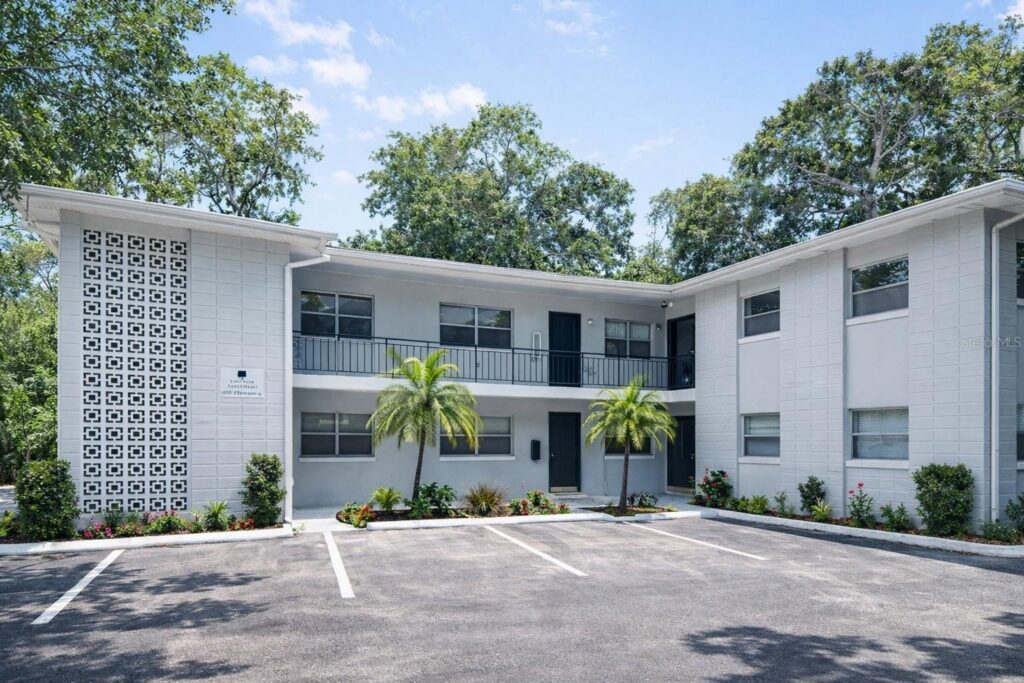
In today’s article we’ll be touching base on some of the best practices for managing multi-unit properties; managing multi unit properties can be one of the most rewarding and complex segments of real estate ownership. Whether you own a duplex, a small apartment building, or a larger multi family community, effective management directly impacts profitability, tenant satisfaction, and long term property value. Best Practices for Managing Multi-Unit Properties
In Florida’s competitive real estate market, especially in growing cities like Orlando, Tampa, and Jacksonville, demand for rental housing remains strong. However, strong demand alone does not guarantee success. Multi unit properties require strategic oversight, consistent systems, and proactive decision making.
If you own or are considering investing in a multi unit property, understanding best management practices is essential. Below, we explore the most effective strategies for maintaining performance, protecting your investment, and maximizing long term returns.
1. Establish Clear Systems and Standardized Processes
Consistency is the backbone of successful multi unit property management. Without structured systems in place, even small issues can escalate quickly.
Develop Standard Operating Procedures (SOPs)
Every aspect of management should have a documented process, including:
- Tenant screening criteria
- Lease agreements and renewals
- Maintenance request handling
- Rent collection procedures
- Late payment policies
- Move in and move out inspections
Standardization ensures fairness across units and reduces the risk of legal complications. It also makes scaling easier if you expand your portfolio.
Use Property Management Software
Digital tools help streamline:
- Online rent payments
- Maintenance tracking
- Lease documentation
- Tenant communication
- Financial reporting
Automation reduces administrative workload and provides transparency for both owners and residents.
2. Screen Tenants Thoroughly and Fairly
In multi unit properties, tenant quality significantly affects the entire community. A single problematic tenant can impact neighbors, increase turnover, and strain management resources.
Key Screening Criteria
A strong tenant screening process should include:
- Credit history review
- Income verification (typically 2.5–3x monthly rent)
- Background checks
- Rental history and references
- Employment stability
In Florida, landlords must also comply with federal and state fair housing laws. Consistency in screening criteria is essential to avoid discrimination claims.
Prioritize Long Term Stability
Beyond financial qualifications, consider:
- Rental longevity
- Communication style
- Overall reliability
Stable tenants reduce turnover costs and create a more harmonious living environment.
3. Maintain Proactive and Preventative Maintenance
Maintenance is not just about repairs, it’s about protecting asset value and minimizing costly emergencies.
Schedule Routine Inspections
Regular property inspections help identify issues early, such as:
- Roof wear
- Plumbing leaks
- HVAC inefficiencies
- Electrical concerns
- Landscaping upkeep
Florida’s climate makes preventative maintenance especially critical. High humidity, heavy rainfall, and hurricane season can accelerate wear and tear on multi unit buildings.
Create a Maintenance Calendar
Implement scheduled service for:
- HVAC systems (biannual servicing)
- Pest control
- Fire safety equipment inspections
- Gutter cleaning
- Exterior pressure washing
Preventative maintenance reduces liability, protects structural integrity, and improves tenant satisfaction.
4. Foster Clear and Professional Communication
Effective communication builds trust and reduces tenant disputes.
Provide Multiple Communication Channels
Tenants should have clear ways to:
- Submit maintenance requests
- Ask questions
- Receive community updates
Online portals are ideal, but email and phone support should also be available.
Set Expectations Early
At lease signing, outline:
- Maintenance response times
- Emergency procedures
- Community rules
- Noise policies
- Parking regulations
Clarity prevents misunderstandings and helps create a respectful environment within the property.
5. Manage Finances with Precision
Multi unit properties generate multiple revenue streams, but they also require detailed expense tracking.
Separate Property Finances
Maintain separate accounts for each property or portfolio to ensure:
- Accurate bookkeeping
- Easier tax reporting
- Clear performance analysis
Track Key Performance Indicators (KPIs)
Successful owners monitor:
- Occupancy rate
- Net Operating Income (NOI)
- Cap rate
- Cash flow
- Maintenance costs per unit
- Turnover rate
Tracking these metrics allows owners to make informed decisions about rent adjustments, upgrades, or refinancing opportunities.
6. Reduce Tenant Turnover Strategically
Turnover is one of the most expensive aspects of multi unit management. Between lost rent, cleaning, repairs, and marketing costs, frequent vacancies significantly impact profitability.
Improve Retention Through Service
Tenants are more likely to renew when they experience:
- Prompt maintenance
- Respectful communication
- Clean and safe surroundings
- Transparent policies
Offer Renewal Incentives
Consider:
- Minor unit upgrades
- Small rent incentives for long term renewals
- Flexible lease renewal terms
Retention efforts often cost far less than finding a new tenant.
7. Prioritize Safety and Compliance
Multi unit properties come with increased liability risks.
Stay Up to Date on Regulations
Florida landlords must comply with:
- Building codes
- Fire safety requirements
- Habitability standards
- Fair housing laws
Failure to comply can result in costly penalties or legal disputes.
Implement Safety Measures
Install and maintain:
- Smoke and carbon monoxide detectors
- Fire extinguishers
- Adequate exterior lighting
- Secure entry systems
Safety improvements not only reduce liability but also increase tenant confidence and property appeal.
8. Optimize Rent Pricing Strategically
Overpricing can increase vacancy, while underpricing reduces revenue potential.
Conduct Regular Market Analysis
Compare your property to similar units in:
- Location
- Amenities
- Unit size
- Condition
Florida markets can shift quickly, particularly in high demand urban areas like Downtown Orlando and surrounding neighborhoods.
Adjust Annually (When Appropriate)
Evaluate rent increases during renewal periods, but ensure adjustments remain competitive and reasonable to avoid unnecessary turnover.
9. Build Strong Vendor Relationships
Reliable vendors are essential for smooth operations.
Establish Long Term Partnerships
Work with:
- Licensed contractors
- Plumbers
- Electricians
- HVAC technicians
- Landscaping professionals
Consistent vendor relationships often lead to better pricing and priority service during emergencies.
Vet Vendors Carefully
Ensure vendors:
- Are properly licensed and insured
- Provide written estimates
- Maintain professional communication
Quality vendors protect your property and your reputation.
10. Enhance Curb Appeal and Common Areas
First impressions matter, especially in multi unit communities.
Invest in Exterior Upkeep
Maintain:
- Landscaping
- Clean walkways
- Fresh paint
- Well-lit entryways
These upgrades not only attract tenants but also justify competitive rent pricing.
Upgrade Shared Spaces
If applicable, improve:
- Laundry facilities
- Outdoor seating areas
- Parking areas
- Hallway aesthetics
Well maintained common areas foster community pride and reduce vandalism or neglect.
11. Prepare for Emergencies and Natural Disasters
In Florida, emergency planning is not optional.
Develop a Hurricane Preparedness Plan
Include:
- Securing outdoor items
- Inspecting roofing and drainage
- Providing tenant communication guidelines
- Reviewing insurance coverage
Clear emergency protocols protect both residents and property.
Maintain Adequate Insurance
Multi unit properties require comprehensive coverage, including:
- Property insurance
- Liability insurance
- Flood insurance (where applicable)
Consult with insurance professionals familiar with Florida’s climate risks.
12. Consider Professional Property Management
For owners managing multiple units, or living out of state, professional management may be beneficial.
A qualified property manager can:
- Handle tenant relations
- Coordinate maintenance
- Enforce lease agreements
- Monitor financial performance
- Ensure legal compliance
While management fees reduce gross income, professional oversight can improve overall efficiency and long term profitability.
Final Thoughts: Long Term Success Requires Strategy
Managing multi unit properties successfully requires more than collecting rent. It demands strategic planning, operational efficiency, and consistent oversight.
By implementing structured systems, prioritizing tenant retention, maintaining properties proactively, and monitoring financial performance closely, owners can protect their investment and build long term wealth.
In dynamic Florida markets, where population growth continues to fuel rental demand, well managed multi unit properties remain a powerful real estate asset. However, the difference between average and exceptional performance often comes down to management quality.
For investors considering multi family ownership, preparation and discipline are key. And for current owners, refining management practices today can significantly improve performance tomorrow.