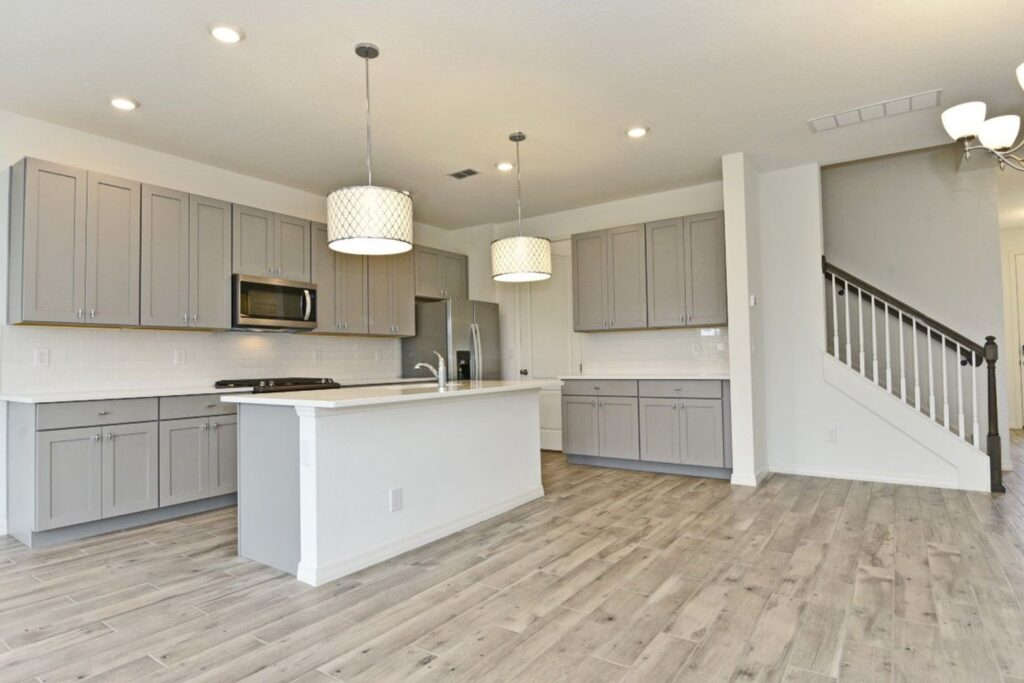
Owning a rental property can be a rewarding way to build long-term wealth, generate income, and create a valuable real estate asset. However, successful rental ownership involves much more than finding a tenant and collecting monthly rent. The decisions made before and during the early stages of a rental property’s life can have a significant impact on its profitability, maintenance costs, tenant satisfaction, and long-term value.
Preparing a rental property for long-term success means taking a proactive approach to everything from property improvements and tenant screening to maintenance, budgeting, and ongoing management. Whether you are converting your current home into a rental, purchasing an investment property, or expanding an existing portfolio, thoughtful preparation can help minimize problems and maximize your investment’s potential.
1. Start With a Thorough Property Assessment
Before marketing a rental property, take time to evaluate its current condition. A property that looks good on the surface may still have aging systems or maintenance issues that could become expensive problems later.
Inspect major components of the property, including:
- Roof and gutters
- HVAC system
- Plumbing
- Electrical systems
- Appliances
- Windows and doors
- Flooring
- Exterior paint and siding
- Landscaping
- Smoke and carbon monoxide detectors
- Locks and security features
Addressing problems before a tenant moves in is usually easier and less disruptive than dealing with them after the lease begins. A thorough inspection can also help establish a realistic maintenance and replacement budget.
For Florida rental properties, HVAC systems deserve particular attention. With long, hot summers and heavy air-conditioning use, a reliable cooling system is important for both tenant comfort and protecting the property from excessive humidity.
2. Make Smart Improvements
Preparing a rental property does not necessarily mean completing a major renovation. In many cases, the best improvements are the ones that make the property more durable, functional, and appealing without unnecessarily increasing costs.
Focus on improvements that provide practical value. Fresh interior paint, updated lighting, durable flooring, modern fixtures, and well-maintained landscaping can make a property more attractive to prospective tenants without requiring a complete remodel.
When selecting materials, consider durability as well as appearance. Rental properties experience more wear and tear than owner-occupied homes, so materials should be able to withstand regular use.
For example, durable flooring may be a better long-term investment than delicate materials that require frequent repairs or replacement.
The goal should be to create a property that is comfortable and attractive while remaining practical to maintain.
3. Understand the Local Rental Market
One of the most important steps in preparing a rental property for long-term success is understanding the local market.
Rental rates can vary significantly based on neighborhood, property size, amenities, school zones, proximity to employment centers, transportation, and other factors. Pricing a property too high can lead to extended vacancy, while pricing it too low may leave potential income on the table.
Research comparable rental properties in the area. Look at properties with similar:
- Square footage
- Number of bedrooms and bathrooms
- Property type
- Location
- Amenities
- Condition
- Parking options
- Outdoor space
It is also important to understand what renters in the area actually value. A property near Downtown Orlando, for example, may appeal to tenants who prioritize walkability and proximity to restaurants and entertainment, while a suburban rental may attract tenants looking for larger floor plans, garages, yards, and access to schools.
Local market knowledge can help property owners make more informed decisions about pricing, improvements, and marketing.
4. Establish a Realistic Rental Budget
A common mistake among new rental property owners is calculating profitability based solely on monthly rent minus the mortgage payment.
There are many additional expenses associated with owning a rental property. These may include:
- Property taxes
- Insurance
- HOA or condominium fees
- Routine maintenance
- Repairs
- Landscaping
- Pest control
- Utilities paid by the owner
- Property management fees
- Vacancy periods
- Appliance replacement
- Major capital improvements
Creating a detailed rental property budget before leasing the home can provide a more realistic picture of potential cash flow.
It is also wise to maintain a reserve fund for unexpected expenses. A broken air conditioner, plumbing emergency, roof repair, or appliance replacement can quickly become a financial burden without adequate reserves.
Long-term success is not simply about maximizing monthly rent. It is about maintaining healthy cash flow while protecting the property’s condition and value.
5. Prioritize Preventive Maintenance
Preventive maintenance is one of the most effective ways to protect a rental property over time.
Small problems can become expensive repairs when they are ignored. Regular HVAC servicing, plumbing inspections, pest control, roof maintenance, landscaping, and appliance checks can help identify potential issues before they become major problems.
Develop a maintenance schedule that includes both routine tasks and seasonal inspections.
Florida property owners should also pay attention to weather-related maintenance. Hurricane season can bring heavy rain, strong winds, and other conditions that can expose weaknesses in roofs, windows, drainage systems, landscaping, and exterior structures.
A proactive maintenance plan can reduce emergency repairs while helping preserve the property’s overall condition.
6. Screen Tenants Carefully
A rental property is only as successful as the tenancy supporting it. Finding a qualified tenant can help reduce missed payments, property damage, disputes, and unnecessary turnover.
Establish consistent tenant screening criteria before advertising the property. Depending on applicable laws and your rental policies, screening may include reviewing income, employment history, rental history, credit information, and other relevant qualifications.
Consistency is important. Screening standards should be applied fairly and in accordance with federal, state, and local fair housing requirements.
It is also important to avoid making decisions based solely on first impressions. A structured screening process provides a more objective way to evaluate applicants and protect both the property owner and prospective tenants.
7. Create a Strong Lease Agreement
A well-written lease establishes expectations from the beginning of the tenancy.
The lease should clearly address important issues such as:
- Rent amount and payment deadlines
- Security deposit requirements
- Maintenance responsibilities
- Utility responsibilities
- Pet policies
- Occupancy limits
- Parking
- Property alterations
- Renewal terms
- Late fees
- Rules regarding the use of the property
Florida landlords should ensure their lease agreements comply with applicable state and local laws. Because rental regulations can change, consulting with an appropriate real estate or legal professional can be valuable when creating or updating lease documents.
Clear expectations can prevent misunderstandings and provide both parties with a better framework for the rental relationship.
8. Build a Reliable Maintenance and Communication System
Even the best-maintained rental property will eventually need repairs. Having a system in place for handling maintenance requests can make the process significantly easier.
Determine how tenants should report problems and establish reasonable expectations for response times. It can also be helpful to maintain relationships with reliable vendors, including plumbers, electricians, HVAC technicians, handymen, landscapers, and pest-control professionals.
Good communication matters just as much as fast repairs. Tenants are more likely to have a positive rental experience when they know their concerns are being heard and addressed.
Strong tenant relationships can also contribute to longer tenancies, reducing turnover and the costs associated with repeatedly preparing and marketing the property.
9. Think About Tenant Retention
Finding a new tenant can be more expensive and time-consuming than keeping a good existing tenant.
Vacancies may result in lost rental income, while turnover can create additional costs for cleaning, repairs, marketing, inspections, and leasing.
Tenant retention does not require extravagant perks. Often, it comes down to maintaining the property, responding to concerns, communicating clearly, and treating tenants professionally.
When a tenant takes good care of the property and consistently meets the terms of the lease, maintaining a positive relationship can benefit everyone involved.
Before a lease expires, communicate early about renewal options. Understanding whether a tenant plans to stay can also give an owner more time to prepare if the property will become vacant.
10. Protect the Property’s Long-Term Value
A rental property should be viewed as both an income-producing asset and a long-term investment.
Regularly evaluate whether the property remains competitive in the local rental market. Over time, strategic improvements may help maintain its appeal and protect its value.
That does not mean every property needs constant upgrades. Instead, owners should prioritize improvements based on return on investment, tenant demand, and the property’s overall condition.
Keep accurate records of repairs, improvements, maintenance, expenses, and major systems. These records can make future budgeting easier and provide valuable information if the property is eventually refinanced or sold.
11. Consider Professional Property Management
Managing a rental property can become increasingly complicated as an owner’s portfolio grows. Even a single property can require significant time and attention.
Property management may include:
- Marketing the property
- Showing the rental
- Tenant screening
- Lease administration
- Rent collection
- Maintenance coordination
- Property inspections
- Tenant communication
- Lease renewals
- Handling turnover
For owners who live outside the area, have multiple properties, or simply do not want to handle day-to-day management, professional property management can provide valuable support.
The right management approach can help owners spend less time responding to routine issues while maintaining consistent oversight of the investment.
12. Plan for the Long Term
The most successful rental property owners think beyond the next lease.
Consider where the property could be five or ten years from now. How might the neighborhood change? Will the property’s features continue to appeal to renters? Are major systems approaching the end of their useful life? Will insurance, taxes, HOA fees, or maintenance costs affect profitability?
Long-term planning allows owners to anticipate expenses rather than simply reacting to them.
It can also help determine when a renovation makes sense, when to replace an aging system, and when selling or reinvesting might be a better financial decision.
Final Thoughts
Preparing a rental property for long-term success requires more than making a property look attractive before putting it on the market. Successful rental ownership involves careful preparation, realistic financial planning, proactive maintenance, responsible tenant selection, and ongoing property management.
By investing in the property’s condition, understanding the local rental market, maintaining strong tenant relationships, and planning for future expenses, owners can create a rental investment that is positioned for greater stability and long-term value.
For Florida property owners, local market conditions and climate-related considerations make proactive management particularly important. Whether you manage the property yourself or work with a professional, taking a long-term approach can help protect the investment while creating a better experience for everyone involved.